 blog
Sustainable Alternatives to Calorie Counting Apps in 2026
Last Updated: November 25, 2026
Quick Summary
Sustainable alternatives to calorie counting apps focus on decisions at the moment of eating rather than daily logging. Options include protein-first meal choices, scanning menus before arriving, using a visual portion guide, mindful eating apps, and AI tools like Dialed In that analyze menus and pantry items without manual entry.
- Manual logging demands time, precision, and daily discipline, which is why many people quit within weeks.
- Plan meals around protein first, then add vegetables and a smaller portion of carbohydrates.
- A palm-sized protein and a fist-sized serving of vegetables gives a rough, low-effort portion reference.
- Dialed In requires no account, onboarding, or manual logging, and offers a free trial.
- Readers with a history of disordered eating should consult a registered dietitian before changing how they track food.
Table of Contents
- Why Calorie Counting Apps Often Fail to Stick
- What Sustainable, Non-Calorie Tracking Actually Means
- What Can I Do Instead of Counting Calories?
- Mindful Eating Apps Worth Considering
- Sustainable Alternatives to Calorie Counting Apps for Weight Loss
- Free Sustainable Alternatives to Calorie Counting Apps
- Choosing Your Next Step Away From Calorie Counting
- Frequently Asked Questions
Calorie counting apps promise control, but many people abandon them within weeks. Dialed In, an AI food decision coach, offers a different approach: it helps users choose better meals without logging every bite. For readers who have tried MyFitnessPal or Cronometer and quit, the search for sustainable alternatives to calorie counting apps has become a practical question, not a theoretical one.
Why Calorie Counting Apps Often Fail to Stick
Manual logging demands time, precision, and daily discipline. Understand specifically why manual tracking fails and what works instead. A common mistake is treating the app as the goal rather than a tool. Users spend minutes searching food databases, estimating portion sizes, and correcting entries. When life gets busy, the log goes blank, and the streak breaks.
Restaurant meals make the problem worse. Recipes are rarely published with exact quantities, so estimates drift. Many users quit after a few frustrating dinners out. The pattern is familiar: strong motivation in week one, quiet abandonment by week four.
What Sustainable, Non-Calorie Tracking Actually Means
Sustainable tracking means the habit survives a normal week. It does not require perfect logging, constant weighing, or a spreadsheet. Non-calorie approaches focus on decisions at the moment of eating: which option on the menu fits a goal, or what to cook from what is already in the refrigerator.
This distinction matters. A sustainable method reduces friction instead of adding a daily chore. It also avoids rigid numerical targets that can encourage an unhealthy relationship with food. Readers with a history of disordered eating should consult a registered dietitian or healthcare provider before changing how they track food.
What Can I Do Instead of Counting Calories?
Many people find that decision-based habits work better than totals. Read a step-by-step guide to practicing mindful eating with a busy schedule. Three practical options stand out:

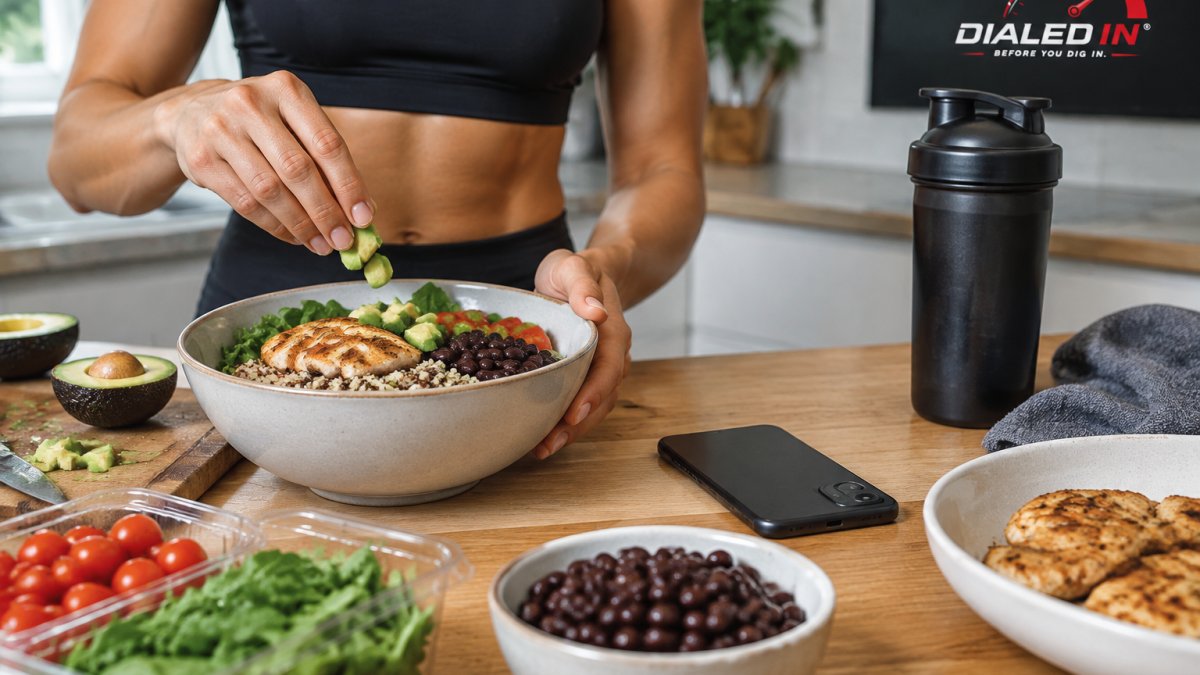
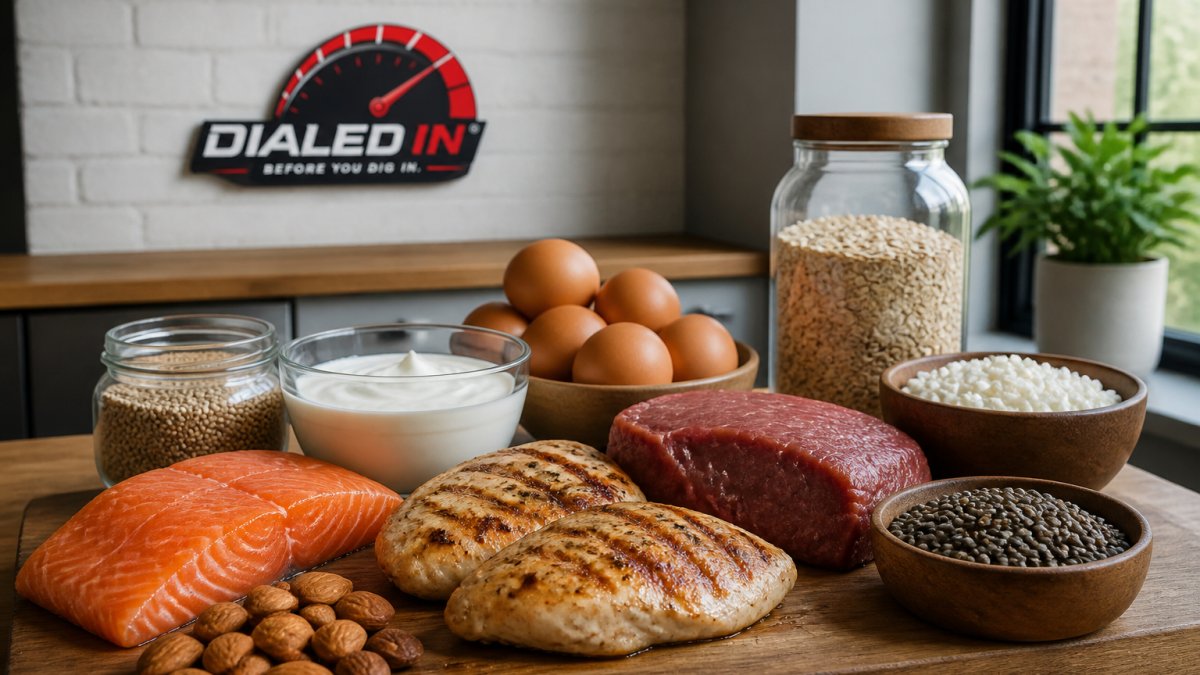
- Plan around protein. Choosing a protein source first, then adding vegetables and a smaller portion of carbohydrates, is simple to remember at a restaurant.
- Scan the menu before arriving. Reviewing options ahead of time removes pressure to decide under hunger.
- Use a visual portion guide. A palm-sized protein and a fist-sized serving of vegetables gives a rough, low-effort reference.
!A person in a casual restaurant pausing to look at a menu with a phone propped beside their plate, relaxed and unhurried
Each option trades precision for consistency. That trade is the point for many readers.
Mindful Eating Apps Worth Considering
Mindful eating apps focus on hunger cues, fullness, and food awareness rather than numbers. They suit people who want structure without logging every bite. The category is broader than it looks, though, and the tools differ sharply in what they ask you to do. Before downloading anything, decide which of three jobs you actually want done: interrupting automatic eating, building a repeatable meal rhythm, or replacing a calorie target with a non-numeric goal.
Apps built around pauses and reflection. Tools in this group prompt a short check-in before or during a meal, a breath, a hunger rating, a note on how the food tastes. They are the closest thing to a direct replacement for the "log it" habit, because they substitute a ten-second reflection for a multi-minute database search. The trade-off is that reflection prompts are easy to dismiss once novelty fades, so they work best paired with a fixed trigger such as sitting down at the table.
Apps built around meal timing and routine. These emphasize when you eat and how meals are spaced rather than what the numbers say. They appeal to people whose problem is skipped meals and late-night grazing rather than portion size. A common pattern is that users stick with timing-based tools longer than logging tools because the daily action is a single decision, not a data-entry task.
Apps built around non-calorie goals. Some track servings of vegetables, protein at each meal, or days without distracted eating. The number still exists, but it measures a behavior rather than energy intake. This is often the gentlest bridge for someone leaving a calorie app, because it preserves the satisfaction of a streak without reinstating a calorie ceiling.
What to check before you commit. Feature lists and prices in this category change frequently, so verify current details on each developer's site rather than trusting a roundup. Look for four things: whether the app requires an account, whether it stores your entries on its servers or only on your device, whether you can export or delete your data, and whether the free tier is genuinely usable or a locked demo. A free trial is the cheapest way to test fit, but set a calendar reminder for the cancellation date.
Safety comes before features. Mindful eating tools are generally low-risk, but any food-tracking product can become a trigger for people with a history of disordered eating. Warning signs include checking the app compulsively, feeling anxious when you cannot record a meal, or letting a missed entry ruin the day. If any of those sound familiar, stop using the tool and speak with a registered dietitian or another qualified healthcare professional before continuing. No app is worth a worsening relationship with food.
Mindful eating is a learnable skill, not a product feature. Compare calorie counting and mindful eating side by side to see which approach suits you. An app can support the practice, but it works best alongside habits like eating without screens and pausing halfway through a meal.
Sustainable Alternatives to Calorie Counting Apps for Weight Loss
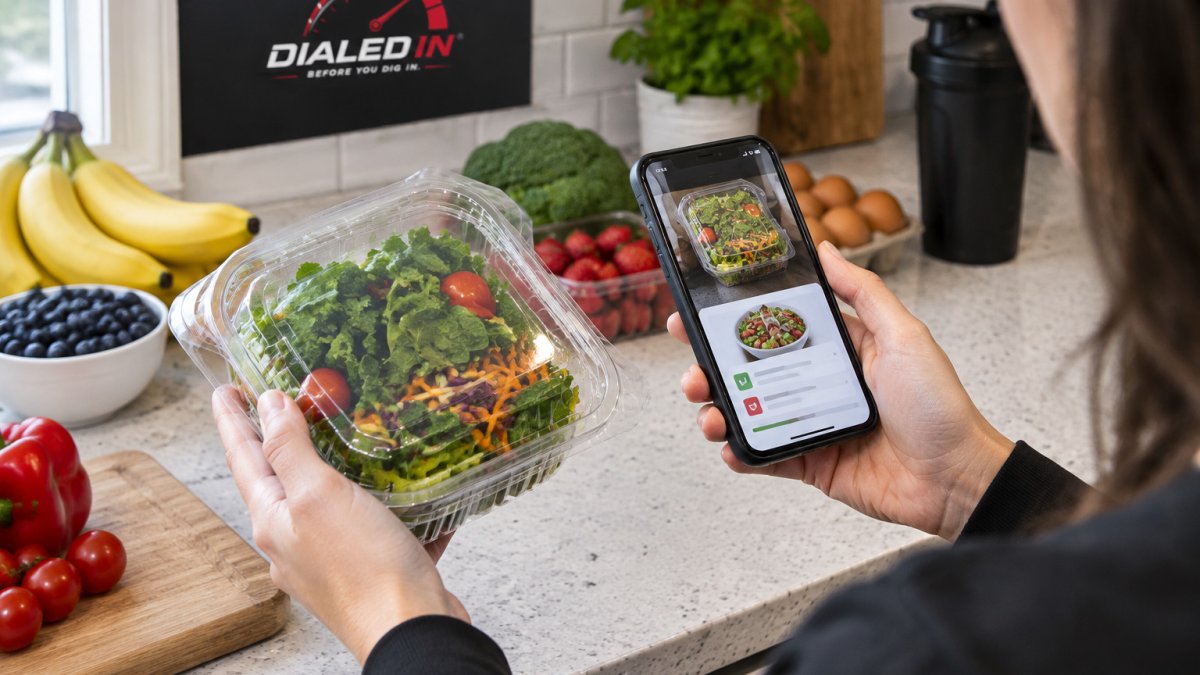
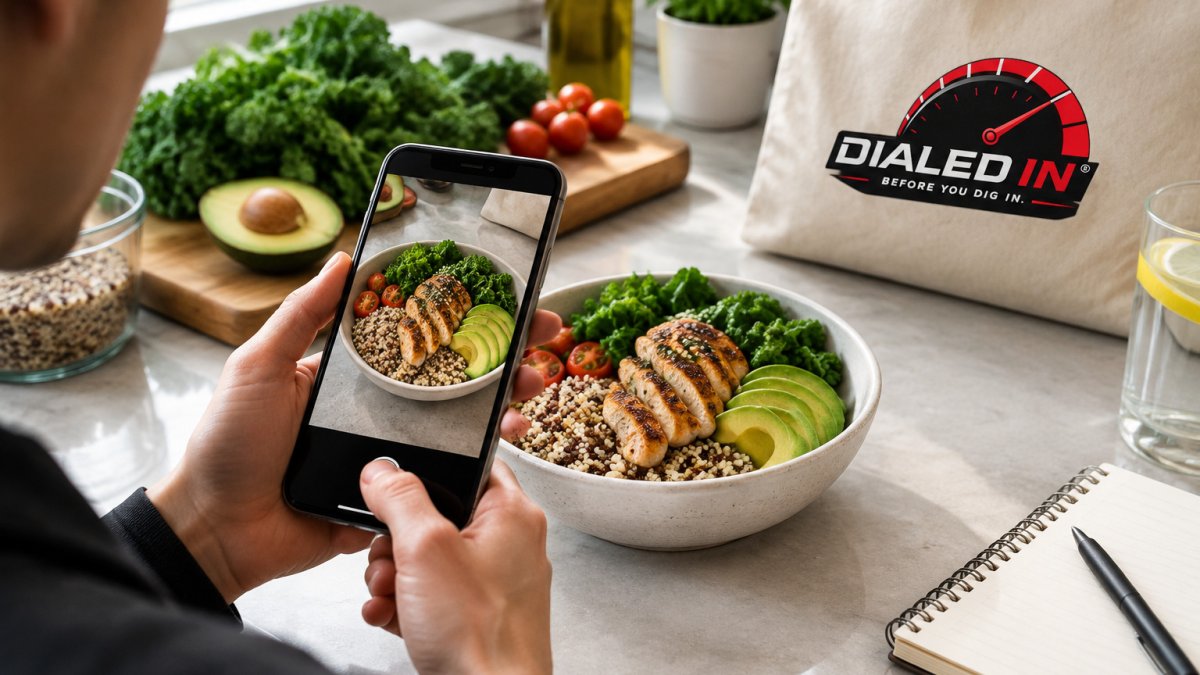
For weight loss, the most sustainable alternatives share three traits: they reduce daily decisions, they accept imperfect execution, and they build awareness over time. See how to maintain weight without constant tracking. Dialed In fits this profile. Its real-time AI analyzes menus, pantry items, and refrigerator ingredients through the camera, then recommends options aligned with goals such as losing fat, building muscle, or maintaining weight.
The app requires no account, onboarding, or manual logging. Users who want to see how it compares with traditional trackers can review features on the Dialed In website. Pricing depends on current plans, so readers should check the site for the latest offer. A free trial is available.
Readers with medical conditions should discuss goals with a qualified professional.
The article's main sustainable options differ in what they ask of the user each day.
| Approach | Daily effort | Key trait |
|---|---|---|
| Real-time AI menu and pantry analysis (Dialed In) | No logging | Requires no account or onboarding |
| Decision-based habits | Choose at the moment of eating | Trades precision for consistency |
| Calorie counting apps | Manual logging | Demands time, precision and daily discipline |
Free Sustainable Alternatives to Calorie Counting Apps
Free options can deliver real value without a subscription, but "free" in this category means three very different things, and conflating them is how people end up back on a calorie app. Sort the options by what you are actually giving up.
Free because the method is a habit, not a product. The most durable no-cost approaches require no app at all: a weekly meal plan posted on the refrigerator, a standing list of go-to restaurant orders you already know work, and a two-minute evening check-in on how the day went. These cost nothing, collect no data, and survive a busy week because they live where the decision happens. The limitation is that they offer no feedback loop, nobody tells you whether the habit is working, so you have to define your own success measure, such as cooking at home four nights a week.
Free tiers of paid apps. Many tracking and coaching apps offer a permanent free tier alongside a subscription. Read the fine print before relying on one: free tiers commonly limit history, lock export, restrict coaching to a trial window, or push reminders to upgrade. A free tier is a legitimate way to test whether a tool fits your routine, but treat it as an evaluation period, not a long-term home.
Free trials. A trial is the lowest-risk way to judge a paid tool, provided you know the terms. Note the trial length, whether a card is required up front, and the exact date billing begins. A calendar reminder set for two days before that date is the difference between a test and an accidental subscription.
The privacy question nobody asks. Food and health data is sensitive, and free products are often funded by data or advertising rather than subscriptions. Before entering anything, find out whether the app stores entries on its servers, whether it shares data with third parties, whether image recognition or AI features are optional, and whether you can delete your account and export your history. If those answers are not easy to find, that is itself an answer.
Accessibility and fit. A free tool is only free if you can actually use it. Check whether it supports the foods you eat, whether it works with a screen reader or larger text, whether it accommodates dietary restrictions and cultural staples, and whether it functions offline. Affordability is part of sustainability: a method you abandon in a month costs more in time than one you keep for a year.
Readers comparing free and paid options should weigh time saved against cost, and weigh both against the data they are handing over. The cheapest option is the one you will still be using next year.
Choosing Your Next Step Away From Calorie Counting
Leaving a calorie app does not mean abandoning structure. Start with one change: pick a single habit, such as protein-first ordering, and practice it for two weeks. Add tools only when the habit feels automatic.
Readers who want a faster path can explore Dialed In, which offers a free trial and removes the logging step entirely. Find out how the app works, what it costs, and how it differs from a calorie tracker. Compare it against the habit-based options above, then decide which fits your week.
Frequently Asked Questions
What can I do instead of counting calories?
You can shift focus from totals to patterns: notice hunger and fullness cues, build meals around protein and vegetables, and check a few key choices at restaurants rather than logging every bite. Dialed In takes a camera-based approach, analyzing menus, pantry items, and refrigerator ingredients to suggest options aligned with goals like losing fat, building muscle, or maintaining weight, without manual logging. Pricing details are on the Dialed In website, and a free trial is available.
Are there calorie counting apps that don't use AI?
Yes. Many traditional food diary apps rely on manual search and barcode scanning rather than image recognition, and some mindful eating apps focus on habits instead of numbers. Compare how each app handles data, subscription costs, and in-app ads before committing. Check the current pricing and privacy policy directly in each app's store listing, since these change often.
Are mindful eating apps a good alternative to calorie tracking?
They can be, especially if your history with food tracking has involved stress, rigid rules, or obsessive checking. Mindful eating apps emphasize hunger cues, fullness cues, and food awareness rather than daily totals. For muscle gain or specific macro targets, you may still need some structure, so pair a mindful approach with occasional protein checks if your goals require them.
Can I improve my eating habits without tracking food?
Yes. Consistent meal timing, planning two or three default meals, and paying attention to portion size and satiety can improve habits without logging. Tools that give quick, goal-based suggestions at the moment of decision, such as Dialed In, can reduce guesswork when dining out. Track progress through how you feel, energy levels, and how your clothes fit rather than through calorie totals.