 blog
Macro Tracking vs Calorie Counting for Athletes
Last Updated: November 4, 2026
Quick Summary
Macro tracking logs grams of protein, carbohydrates, and fat against preset targets, while calorie counting tracks only total energy intake. For athletes, calories set the ceiling and macros decide what you build with it, so track protein first if you must choose one number.
- Calories tell you whether you are in a deficit or surplus; macros tell you what that energy is made of.
- Protein intake drives muscle hypertrophy, and total calories determine whether that growth can happen.
- Beginners should set calories, protein, and one carbohydrate goal, ignoring fat precision for the first month.
- Raise carbohydrate targets during high-volume phases and loosen tracking during deload and transition weeks.
- Use wearable burn data as a trend signal, not a ledger, and avoid eating back every estimated calorie.
Table of Contents
- What Macro Tracking and Calorie Counting Actually Measure
- Are Macros or Calories More Important for Building Muscle
- How to Estimate Athlete Calorie Needs
- Using a Macro Calculator for Athletes
- Counting Macros for Beginners: Where to Start
- The Psychological Cost of Tracking and Eating Disorder Risk
- Adjusting Your Tracking Approach to Training and Recovery
- Deciding What to Track Before Your Next Training Block
- Frequently Asked Questions
What Macro Tracking and Calorie Counting Actually Measure
Macro tracking is the practice of logging the grams of protein, carbohydrates, and fat you eat each day against preset targets. Calorie counting tracks a single number: total energy intake. Both methods rest on energy balance, but they answer different questions. Calories tell you whether you are in a deficit or surplus. Macros tell you what that energy is made of. For athletes, that distinction matters more than for almost anyone else, because body composition and recovery depend on protein and carbohydrate distribution, not just totals.
Are Macros or Calories More Important for Building Muscle
Protein intake drives muscle hypertrophy, and total calories determine whether that muscle growth can happen at all. The practical answer: calories set the ceiling, macros decide what you build with it. Many athletes find that hitting a protein target matters more than perfect calorie precision, especially during a caloric surplus. A common mistake is obsessing over calorie totals while undershooting protein by a wide margin. If the choice is between tracking one number or the other, track protein first. Readers weighing whether logging is even necessary can explore whether macro tracking is necessary for muscle gain before committing to a system.
How to Estimate Athlete Calorie Needs
Athlete calorie needs start with body weight and training load, not a generic formula. Strength athletes and endurance athletes land at different points on that range. The thermic effect of food, glycogen replenishment demands, and metabolic rate all shift the number week to week. Treat any estimate as a starting point, not a verdict. Weigh-ins and performance trends over two to three weeks tell you more than any calculator's first output.
Using a Macro Calculator for Athletes
A macro calculator for athletes converts calorie estimates into gram targets, usually by assigning protein first, then fat, then filling the remainder with carbohydrates. Fat covers hormonal health, and carbs fuel training intensity. The weakness is precision: calculators assume a metabolic rate you have not verified. Use the output for two weeks, compare it against body composition changes, then adjust. Published macronutrient reference ranges from professional nutrition bodies can help sanity-check any calculator's output.
| Method | What It Tracks | Best For | Main Limitation |
|---|---|---|---|
| Calorie counting | Total energy intake | Fat loss, weight management | Ignores protein and carb quality |
| Macro tracking | Protein, carbs, fat in grams | Muscle gain, body composition | Requires weighing and logging |
| Hybrid approach | Calories plus protein floor | Busy athletes, beginners | Less precise on carbs and fat |
Counting Macros for Beginners: Where to Start
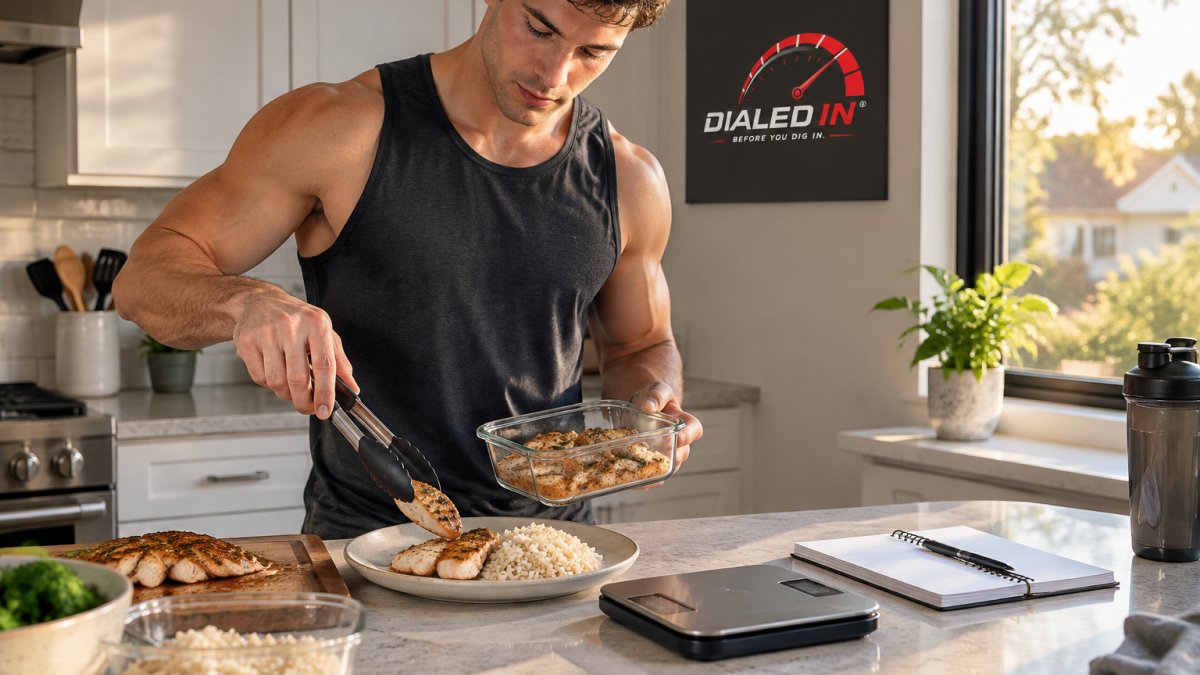
Counting macros for beginners should begin with three targets, not seven. Set calories, protein, and one carbohydrate goal, then ignore fat precision for the first month. Log with a food scale for two weeks to calibrate portion control, then switch to estimates for repeat meals. Beginners who try to hit every gram perfectly quit fastest. New trackers can review how to balance macros without counting calories as a lighter alternative, or check the seven tracking mistakes that stall progress before building the habit.
The woman is American.
The Psychological Cost of Tracking and Eating Disorder Risk
Most tracking guides stop at the how-to and never address what happens when logging stops feeling like a tool and starts feeling like a rule. For athletes, that risk is elevated because performance pressure and body composition scrutiny are already part of the job. The line between disciplined tracking and disordered eating is not a single number of logged days; it is a pattern of rigidity, anxiety, and social withdrawal around food.
Watch out: these behavioral markers are worth taking seriously, not diagnosing yourself with a search engine. If two or more persist for more than a few weeks, treat them as a signal to loosen the system or talk to a qualified professional:
- Skipping social meals or eating before events because you cannot log the food.
- Feeling genuine anxiety when a meal's macros are unknown, even when the meal is otherwise balanced.
- Choosing foods by logged numbers over hunger, satiety, and enjoyment on a regular basis.
- Weighing or measuring food in contexts where it disrupts the people around you.
- Tying self-worth to whether you hit a gram target, not to training performance or recovery.
- Continuing to log through illness, injury, or a deload when the data has no decision value.
Athletes face a second layer of risk that general-population articles miss: weight-class sports, physique sports, and endurance disciplines often reward leanness and control in ways that normalize restrictive behavior. A wrestler cutting to a weight class, a rower chasing a lightweight category, or a runner trying to drop body fat before a championship can all slide from periodized tracking into chronic restriction without noticing. The sport context does not make the behavior safe; it makes it harder to see.
A practical off-ramp is to switch from gram-level logging to a lighter structure for a defined block. Set a protein floor and a calorie range, log only one meal per day, or move to hand-portion estimates for two to four weeks. The goal is not to abandon accountability but to break the all-or-nothing loop. Athletes who notice rigidity creeping in can compare calorie counting versus mindful eating and decide whether a looser approach fits better. The measure of a tracking system is whether it supports training and life, not whether it survives every meal.
Adjusting Your Tracking Approach to Training and Recovery
A static macro target is a beginner's tool. Athletes who train in blocks need a tracking approach that moves with the training calendar, because carbohydrate demand, recovery cost, and body composition goals change across the year. The practical framework is to set a baseline in the off-season, raise carbohydrate availability as training volume climbs, tighten precision during competition season, and deliberately loosen tracking during deloads and transition weeks.
A workable block-by-block structure looks like this:
- Off-season or general preparation: calories at maintenance or a slight surplus, protein held at 0.8 to 1 gram per pound of body weight, and carbohydrate set to support strength work. This is the block for building habits and calibrating portion estimates.
- Base or high-volume phase: carbohydrate targets rise to match glycogen demand from longer or more frequent sessions.
- Competition or peak phase: precision matters more because body weight and recovery are performance variables. Keep protein and calories tight, but avoid introducing new foods or aggressive deficits in the final weeks.
- Deload and transition weeks: drop calorie precision to a range, keep the protein floor, and stop logging if the data will not drive a decision. This is where rigid tracking does the most harm and the least good.
Wearables add a second data stream, and the common pain point is reconciling estimated calorie burn with manual food logs. Estimated energy expenditure from consumer devices can carry meaningful error, which compounds when the burn figure is treated as a precise credit against intake. A safer pattern is to use wearable data as a trend signal, not a ledger: if step counts and training load rise for two weeks and body weight is stable when you expected a deficit, adjust intake down slightly. Do not chase daily burn numbers by eating back every estimated calorie.
Recovery is the other half of the equation. Sleep, soreness, and performance in key sessions are better adjustment signals than any single day's macro total. Athletes whose progress plateaus despite consistent logging may be facing metabolic adaptation, and adjusting macros for metabolic adaptation explains how to recalculate. The rule of thumb: change one variable at a time, hold it for two to three weeks, and judge it against training output and body composition trends rather than the scale alone.
Deciding What to Track Before Your Next Training Block
The decision comes down to goal and temperament. Fat loss with no performance demands: calorie counting is simpler and sufficient. Muscle gain or body recomposition: macro tracking wins because protein and carbohydrate distribution drive the outcome. Athletes who hate logging, dine out often, or have quit tracking apps before should consider a decision-support approach instead of manual entry. That is where Dialed In fits: point a camera at a menu, plate, or refrigerator, and the app returns personalized recommendations based on your goal, with no account, onboarding, or manual logging. It replaces spreadsheets with real-time food decisions, whether you are at a restaurant or at home.
Frequently Asked Questions
Is it better to count calories or track macros?
It depends on your goal. Calorie counting controls total energy intake, which drives weight change. Macro tracking adds control over protein, carbohydrate and fat, which shapes body composition and recovery. Athletes chasing muscle gain or recomposition usually get more from macro tracking because protein and carbohydrate timing affect muscle hypertrophy and glycogen replenishment. If your only goal is gradual weight loss and you find macro math overwhelming, calorie counting is simpler and still works.
How do athletes estimate their calorie needs?
Start with a rough estimate based on body weight and activity level, then adjust based on two weeks of actual weight and performance data. Training intensity, session length and recovery protocols all shift the number. Athletes in heavy training blocks sit at the higher end. Weigh yourself under the same conditions a few times a week and treat the trend, not any single reading, as your signal to raise or lower intake.
Can athletes improve performance without tracking food?
Yes. Plenty of athletes hit protein and energy targets through consistent meal patterns, portion control habits and a food scale used occasionally rather than daily. The risk is drift: intake quietly falls during hard training weeks. A lighter approach, like checking portion sizes a few days per week or using a tool that coaches decisions in the moment instead of logging every meal, keeps you anchored without the daily spreadsheet.
Are macros or calories more important for building muscle?
Calories set the ceiling; macros decide what gets built. A caloric surplus supports muscle hypertrophy, but without enough protein, that surplus can mostly add fat. Carbohydrate intake supports training intensity and glycogen replenishment. Get calories right first, then protein, then distribute fat and carbs around your sessions. Macro tracking makes that hierarchy visible in a way calorie counting alone does not.
The next training block starts whether your nutrition system is ready or not. Dialed In gives athletes real-time AI food coaching on any menu or meal, personalized recommendations for cutting, bulking, or maintaining, and zero manual logging. Get started with Dialed In and make every food decision count toward your goal.