 blog
What Are the Best Whole Food Protein Sources for Muscle Growth?
Last Updated: October 31, 2026
Quick Summary
The best whole food protein sources for muscle growth are lean meats, poultry, fish, eggs, dairy, and soy foods like tofu and tempeh, with legumes and quinoa rounding out plant options. Whole food protein delivers complete amino acids plus iron, zinc, B vitamins, and omega-3s that powders lack. Aim for 0.7 to 1 gram of protein per pound daily, spread across three to four meals of 25 to 40 grams.
- Chicken breast is lean protein with almost no fat, fitting easily into a cutting phase.
- Edamame, tofu, and tempeh are the strongest plant options because they are complete proteins.
- Combine legumes with grains, like rice and beans, so their amino acid gaps cancel out.
- For a 180-pound lifter, the daily target is about 125 to 180 grams of protein.
- Eggs, canned tuna, lentils, and cottage cheese deliver strong protein per dollar on a budget.
Table of Contents
- Why Whole Food Protein Beats Powder for Building Muscle
- High-Protein Foods for Muscle Building: Meat, Fish, Eggs, and Dairy
- Plant-Based Protein Foods for Muscle Growth: Legumes, Nuts, and Grains
- High-Protein Meal Ideas for Muscle Gain
- How Much Protein You Need, and How to Spread It Across the Day
- Protein Density, Processing, and Budget: What to Look For on a Label
- Using an AI Coach to Hit Your Whole Food Protein Goals
- Frequently Asked Questions
Why Whole Food Protein Beats Powder for Building Muscle
The best whole food protein sources for muscle growth give you more than just protein.
Whole food protein is protein that comes from intact foods like meat, fish, eggs, dairy, and legumes rather than from powders or supplements.
Muscle repair depends on hitting a daily protein target, not on chugging a shake after every workout.
- Powders digest fast, which helps right after training
- Whole foods keep you full for hours
- Whole foods bring iron, zinc, B vitamins, and omega-3s
The best whole food protein sources for muscle growth win on consistency, not novelty.
High-Protein Foods for Muscle Building: Meat, Fish, Eggs, and Dairy
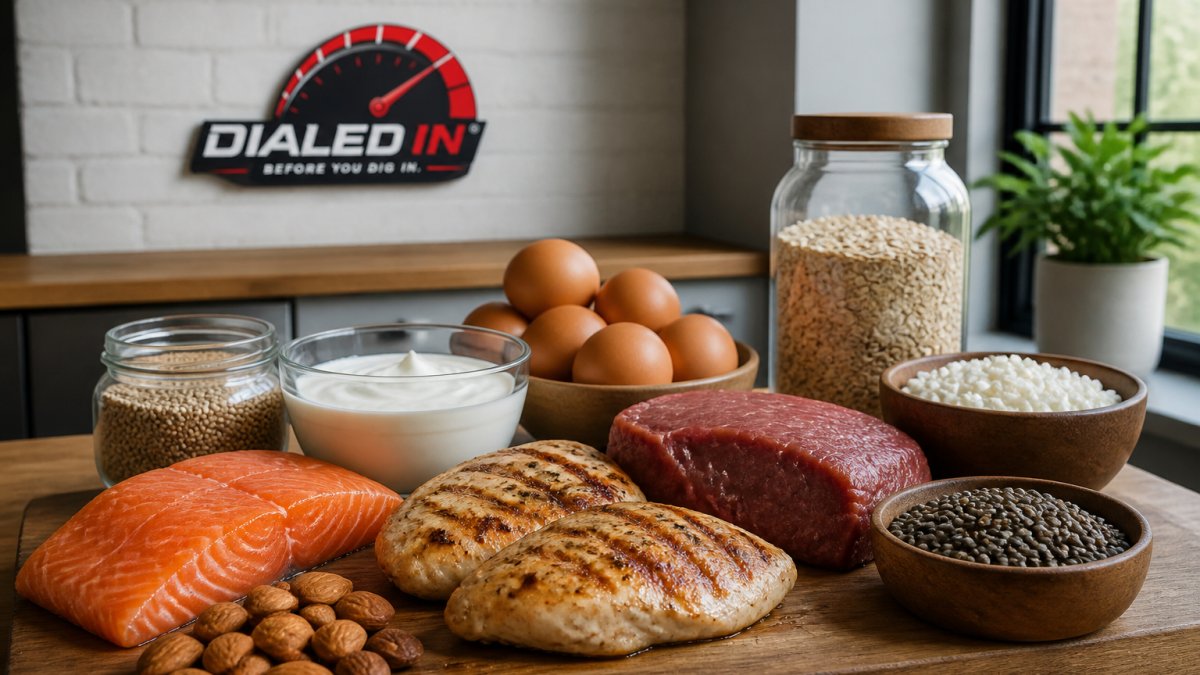
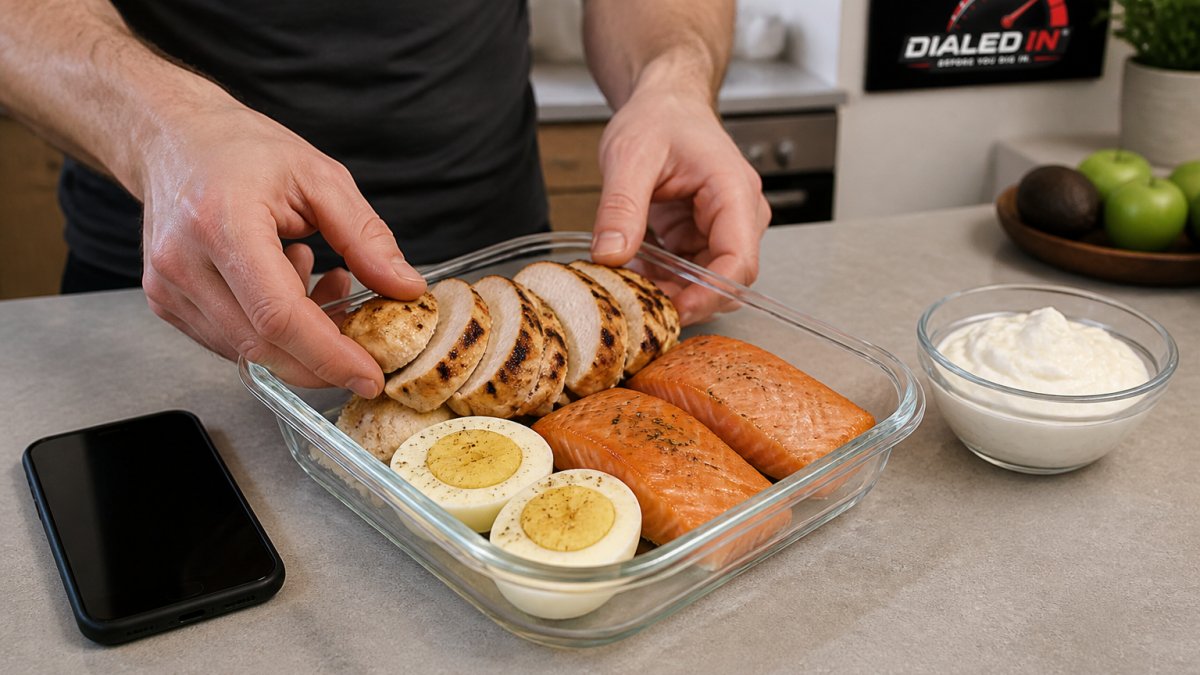
A serving of chicken or fish delivers a complete amino acid profile in a small calorie footprint, which makes hitting a daily target far easier.
Lean Meats and Poultry
Chicken breast and lean beef are the workhorses of muscle building. Chicken breast is lean protein with almost no fat, so it fits easily into a cutting phase. Lean beef adds iron and creatine, which support strength and recovery.
A common mistake is choosing only the leanest cuts. Some fat helps with hormone production and makes meals more satisfying. Rotate between chicken, lean ground beef, turkey, and pork loin.
Fish and Seafood
Salmon and canned tuna are standout choices. Salmon brings omega-3 fats that support recovery and joint health. Canned tuna is cheap, shelf-stable, and loaded with protein per serving.
Shrimp and white fish round out the rotation. They cook fast, which matters on busy weeknights.
Eggs and Dairy
Eggs are the benchmark for protein quality. Egg whites add protein with almost no fat, while whole eggs bring choline and healthy fats. Cottage cheese and Greek yogurt are high-protein options that work for breakfast or a snack.
Whole milk supports bulking goals. Cottage cheese is a favorite before bed because it digests slowly.
Plant-Based Protein Foods for Muscle Growth: Legumes, Nuts, and Grains
Plant proteins can absolutely build muscle, but they demand a little more planning than a chicken breast. The reason is amino acid profile: most plant foods are low in one or two essential amino acids, and muscle protein synthesis responds best when all nine are present in a meal. The fix is not complicated, combine a legume with a grain, or lean on the few plant foods that are already complete.
The Protein Numbers That Matter
Here is what a realistic serving actually delivers:
| Food | Serving | Protein | Calories | Notes |
|---|---|---|---|---|
| Lentils, cooked | 1 cup | ~18 g | ~230 | High fiber, cheap, iron-rich |
| Edamame, shelled | 1 cup | ~18 g | ~190 | Complete plant protein |
| Black beans, cooked | 1 cup | ~15 g | ~225 | Pair with rice |
| Chickpeas, cooked | 1 cup | ~15 g | ~270 | Good in bowls and salads |
| Firm tofu | 3 oz | ~9 g | ~80 | Complete, absorbs marinades |
| Tempeh | 3 oz | ~16 g | ~160 | Fermented, dense texture |
| Quinoa, cooked | 1 cup | ~8 g | ~220 | Complete grain |
| Peanut butter | 2 tbsp | ~7 g | ~190 | Calorie-dense, easy to overdo |
| Oats, dry | 1/2 cup | ~5 g | ~150 | Modest protein, strong carb base |
Notice the pattern: legumes and soy foods carry the protein load, while grains and nuts contribute smaller amounts plus calories. A plant-based muscle-building plate is usually built around the first column, not the last.
Why Combining Works
Most grains are low in lysine. Most legumes are low in methionine. Eat them together and the gaps cancel out. That is why rice and beans, lentils with rice, and peanut butter on whole-grain toast have survived as staples for generations, they are not just traditional, they are nutritionally sound.
You do not need to combine at every bite. A common pattern is to combine within the same meal, then let the day's total amino acid pool sort out the rest.
Complete Plant Proteins Worth Knowing
A few plant foods already carry all nine essential amino acids in useful amounts:
- Soy foods, edamame, tofu, and tempeh are the strongest plant options for muscle growth
- Quinoa, a complete grain, though protein per cup is modest
- Hemp seeds, complete, easy to sprinkle on oats or salads
A Practical Plant-Based Day
Here is how the pieces fit together without a spreadsheet:
- Breakfast: Oats with soy milk, hemp seeds, and peanut butter
- Lunch: Lentil and rice bowl with edamame and olive oil
- Snack: Roasted chickpeas or a soy yogurt cup
That structure lands in the range most plant-based lifters need while keeping fiber high and cost low. The trade-off is volume: plant protein comes packaged with more carbs and fiber, so hitting a high protein target means eating larger portions than you would with meat. That is manageable, but it is the reason plant-based bulking plans lean on tofu, tempeh, and legumes rather than nuts alone.
Nuts and nut butters still belong in the plan, they are calorie-dense and help with bulking, but treat them as a supporting player, not the protein anchor of the meal.
High-Protein Meal Ideas for Muscle Gain
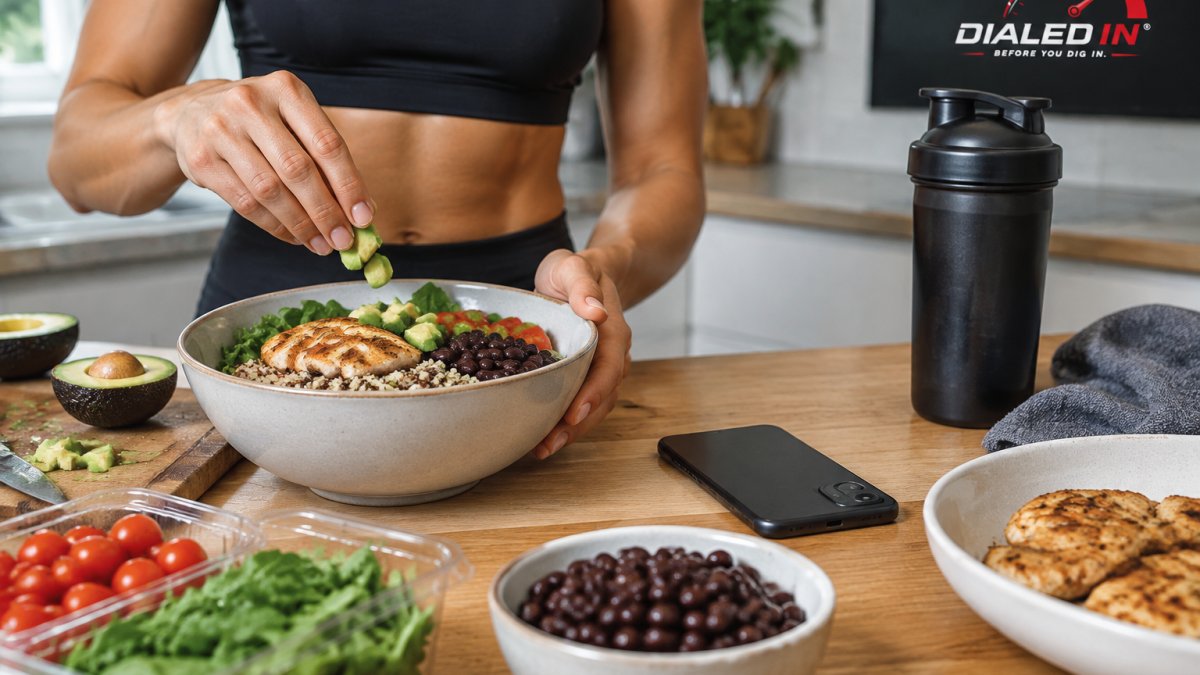
Simple meals beat complicated ones. The goal is repeatable, protein-rich plates you can make without a recipe.
- Grilled chicken, rice, and roasted vegetables
- Salmon with sweet potatoes and greens
- Egg scramble with cottage cheese and oats
For more structured guidance, see how to prepare high protein meals for muscle gain step by step.
How Much Protein You Need, and How to Spread It Across the Day
Knowing which foods are high in protein is the easy part. The harder question is how much you actually need and how to distribute it so your body can use it. This is where most food lists stop, and where a plan starts.
Setting a Daily Target
For a 180-pound lifter, that is about 125 to 180 grams daily. The lower end suits someone in a maintenance phase; the upper end suits someone in a calorie deficit who needs to protect muscle.
These are general ranges, not prescriptions. Individual needs vary with training volume, body composition goals, age, and health status, and anyone with kidney disease or other medical conditions should get a target from a clinician rather than a food article.
Why Distribution Matters
Muscle protein synthesis responds to each protein-containing meal, not just the daily total. That range is enough to trigger a meaningful synthesis response in most people without forcing uncomfortably large portions.
Skipping breakfast and loading 80 grams at dinner is the pattern to avoid. It technically hits the daily number, but it leaves long stretches of the day with no protein signal and makes the evening meal heavy.
A Worked Example
Here is what 150 grams of protein looks like across a day, using whole foods from this guide:
| Meal | Food | Protein |
|---|---|---|
| Breakfast | 3 eggs + 1 cup Greek yogurt + 1/2 cup oats | ~35 g |
| Lunch | 6 oz chicken breast + rice + vegetables | ~40 g |
| Snack | 1 cup cottage cheese + berries | ~25 g |
| Dinner | 6 oz salmon + sweet potato + greens | ~40 g |
| Total | ~140 g |
Add a glass of milk or a handful of edamame and the total clears 150 grams without any powder. The point is not the exact foods, it is that four moderate protein meals get you there more comfortably than two large ones.
Adjusting for Your Goal
- Cutting: push toward the higher end of the range and prioritize lean sources like chicken, white fish, Greek yogurt, and egg whites so protein stays high while calories stay low
- Bulking: the lower end of the range is usually enough, and the extra calories can come from carbs and fats rather than forcing more protein
- Maintenance: the middle of the range, spread evenly, keeps muscle without overcomplicating meals
Timing Around Training
A protein-containing meal within a couple of hours before or after training is a reasonable target, but the total daily intake matters more than the exact window. Pairing protein with carbohydrates after training supports recovery and refills glycogen. If your schedule makes a post-workout meal impractical, the next protein meal still counts.
Once you know your target, these simple ways to hit protein goals daily make it stick.
Protein Density, Processing, and Budget: What to Look For on a Label
Protein density is the amount of protein per calorie. Higher density means more protein for less food, which matters when cutting.
Less processed foods generally win here. A chicken breast beats a breaded nugget. Canned tuna beats a tuna sandwich on white bread.
Budget matters too. Eggs, canned tuna, lentils, and cottage cheese deliver strong protein per dollar. The high protein grocery list covers 40 foods that fit any budget.
| Food | Protein Density | Best For | Budget |
|---|---|---|---|
| Chicken breast | High | Cutting | Moderate |
| Canned tuna | High | Quick meals | Low |
| Eggs | Moderate | Breakfast | Low |
| Lentils | Moderate | Plant-based | Low |
| Cottage cheese | High | Snacks | Low |
Using an AI Coach to Hit Your Whole Food Protein Goals
Dialed In is a real-time AI food decision coach. Point your camera at a menu, a fridge, or a plate, and the app gives personalized recommendations based on your goal, whether that's building muscle or losing fat.
No account, no manual logging, no spreadsheets. The app works on any menu or refrigerator item, so decisions happen in the moment.
Readers who want more ways to build muscle without powder can explore six ways to build muscle without supplements. And if you're weighing whether an AI coach fits your routine, these benefits of a personalized AI meal planner lay out what to expect.
Frequently Asked Questions
What are the best whole-food protein sources for muscle growth?
The strongest choices combine high protein per serving with essential amino acids. Chicken breast, lean beef, salmon, canned tuna, eggs, egg whites, Greek yogurt, and cottage cheese lead the animal list. Lentils, edamame, tofu, and nuts are solid plant-based protein foods for muscle growth. Aim for a mix across meals rather than relying on one source.
Can you build muscle with plant-based protein sources?
Yes. Plant-based protein foods for muscle growth work when you eat enough total protein and combine sources. Pair lentils with rice, or edamame with whole grains, to cover essential amino acids. Plant proteins often come with fiber and fewer calories per bite, so check serving sizes to hit your daily target.
How much protein should I eat to build muscle?
Whole food protein sources like chicken, fish, eggs, and dairy can help you reach a daily protein target without powders. Check with a qualified professional for a target that fits your body and goals.
Are eggs or chicken better for building muscle?
Both are excellent. A large egg has about 6 grams of protein and a complete amino acid profile, while 100 grams of chicken breast has roughly 31 grams. Eggs are cheaper and faster to prepare; chicken gives more protein per serving. Rotate them, and add dairy or plant sources, to keep meals varied and hit your daily protein intake.
Hitting a daily protein target sounds simple until real life gets in the way, especially at restaurants and busy workdays. Dialed In solves that with real-time AI food coaching, camera-based menu and pantry analysis, and personalized recommendations built around your muscle-building goal, all without manual logging. Get started with Dialed In and turn every food decision into progress.