 How-to
7 Ways to Skip Takeout When You're Too Tired to Cook
Last Updated: November 10, 2026
Quick Summary
Avoiding takeout on exhausted nights comes down to removing decisions before you get hungry. Keep a stocked pantry of frozen vegetables, canned beans, quick grains and eggs, plus a few recipes you can make in 15 minutes. A default dinner plan with a freezer backup means you never have to decide what to eat when you're drained.
- Audit your pantry once a week to list no-cook meals you already have.
- Buy two proteins, two vegetables and one carb each week as a simple shopping rule.
- Keep three to five recipes under six ingredients that you can make in 15 minutes.
- Assign each weeknight a default dinner so the decision is made before you're hungry.
- Store one or two frozen meals that need only reheating for nights when plans fall apart.
Table of Contents
- Why You Reach for Takeout When You're Exhausted
- Step 1: Audit Your Pantry for No-Cook Options
- Step 2: Stock the Staples That Make Easy Low-Energy Meals Possible
- Step 3: Build a Set of Takeout-Alternative Recipes You Can Make in 15 Minutes
- Step 4: Use Meal Prep for Busy Weeknights Without a Full Sunday Session
- Step 5: Decide Before You're Hungry With a Default Dinner Plan
- Step 6: Use a Post-Work Transition Ritual to Break the Takeout Habit
- What to Eat When You're Too Tired to Cook and Still Want to Stay on Track
- Frequently Asked Questions
Why You Reach for Takeout When You're Exhausted
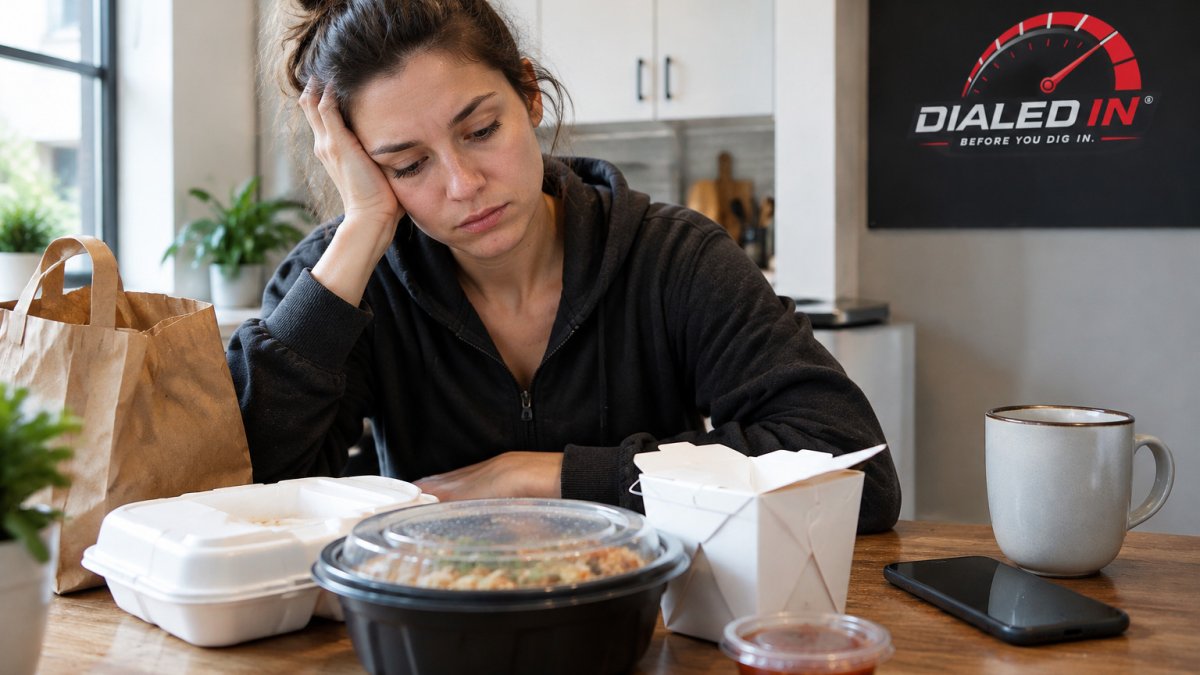
Most people don't order takeout because they want greasy food at 8 p.m. They order because they're tired, and a tired brain takes the easiest path. Spotting that moment and making a better call, even when your energy is low, is the real key to avoiding takeout on draining nights.
Here's the thing: willpower is not the problem. The problem is the number of small choices you face when you come home drained. What to cook, whether you have the ingredients, how long it will take. Each question adds friction, and delivery apps remove all of it with one tap.
How decision fatigue pushes you toward delivery apps
Decision fatigue is the drop in quality of choices after a long stretch of making them. For a deeper look at breaking this daily drain, read Stop Food Decision Fatigue Daily. By dinnertime, your brain has already decided on dozens of things: emails, meetings, what to wear, what to say. A simple dinner question can feel like one too many.
When that happens, the app wins. It shows you options, photos, and an arrival time, all without asking you to think. Your brain treats that as relief, which is why the habit sticks.
Breaking the cycle starts with removing decisions before you're hungry. The steps below do exactly that.
Step 1: Audit Your Pantry for No-Cook Options
Start by listing what you already have that can become a meal without cooking. Open your pantry, fridge, and freezer and write down everything you could eat with minimal effort.
Common no-cook options include:
- Canned tuna, salmon, or chicken
- Plain Greek yogurt with fruit or granola
- Hummus with pita or cut vegetables
- Eggs that take under 5 minutes to boil
- Whole grain bread with cheese or nut butter
Set a 10-minute timer and do this once a week. Most people discover they have more options than they expected.
Step 2: Stock the Staples That Make Easy Low-Energy Meals Possible
Once you know what you have, the next move is filling the gaps with staples that do two jobs at once: they store for weeks and they combine into a meal with almost no decisions. The point is not to build a fully stocked pantry. It is to make sure that on a tired night, every ingredient you reach for already works with at least three others, which makes avoiding takeout far easier.
A practical set to start with:
- Frozen vegetables and fruit. Frozen peas, spinach, and stir-fry blends cook in 5 to 10 minutes and need no washing or chopping. Frozen berries work in yogurt bowls, and frozen mango works in rice dishes.
- Canned beans and lentils. Rinsed chickpeas or black beans can go into a bowl, a wrap, or a quesadilla with no cooking at all. Canned lentils heat through in a few minutes and pair with rice or bread.
- Shelf-stable grains. Quick-cook rice, instant polenta, and couscous are ready in under 10 minutes. Whole wheat pasta holds up well if you keep a box in the cupboard.
- Eggs, tortillas, and jarred sauces. Eggs cover breakfast, lunch, and dinner. Corn or flour tortillas stretch a single protein into several meals. A jar of salsa, pesto, or curry paste turns plain ingredients into a finished dish.
- Frozen lean protein. Individually portioned chicken breasts, fish fillets, or shrimp thaw in cold water within 20 to 30 minutes, which is faster than most people expect and far faster than a trip to the store.
A useful check is to group your staples by the meal they produce. For a ready-made shopping reference, see High Protein Grocery List. For example, rice plus frozen peas plus eggs makes fried rice, while tortillas plus beans plus salsa makes tacos. If a staple does not fit into at least two combinations, it is probably taking up space you need for something more useful.
A simple weekly rule also helps: buy two proteins, two vegetables, and one carb. That gives you a manageable mix of options for several dinners without building a meal plan from scratch.
Watch out: fresh produce bought in bulk often rots before the week ends, so lean on frozen and shelf-stable versions for anything you won't use within three days.
Step 3: Build a Set of Takeout-Alternative Recipes You Can Make in 15 Minutes
Pick three to five recipes you can make in 15 minutes or less. Write them on a card or save them in your phone. The goal is to have a default that you can make on autopilot.

Good examples include:
- Egg fried rice with frozen peas and carrots
- Black bean tacos with cheese, salsa, and avocado
- Sheet pan sausage and vegetables
- Pasta with jarred sauce, spinach, and parmesan
- Chicken wraps with pre-shredded slaw
Keep each recipe under six ingredients. If a recipe needs a trip to the store, it won't be your backup on a bad night.
Step 4: Use Meal Prep for Busy Weeknights Without a Full Sunday Session
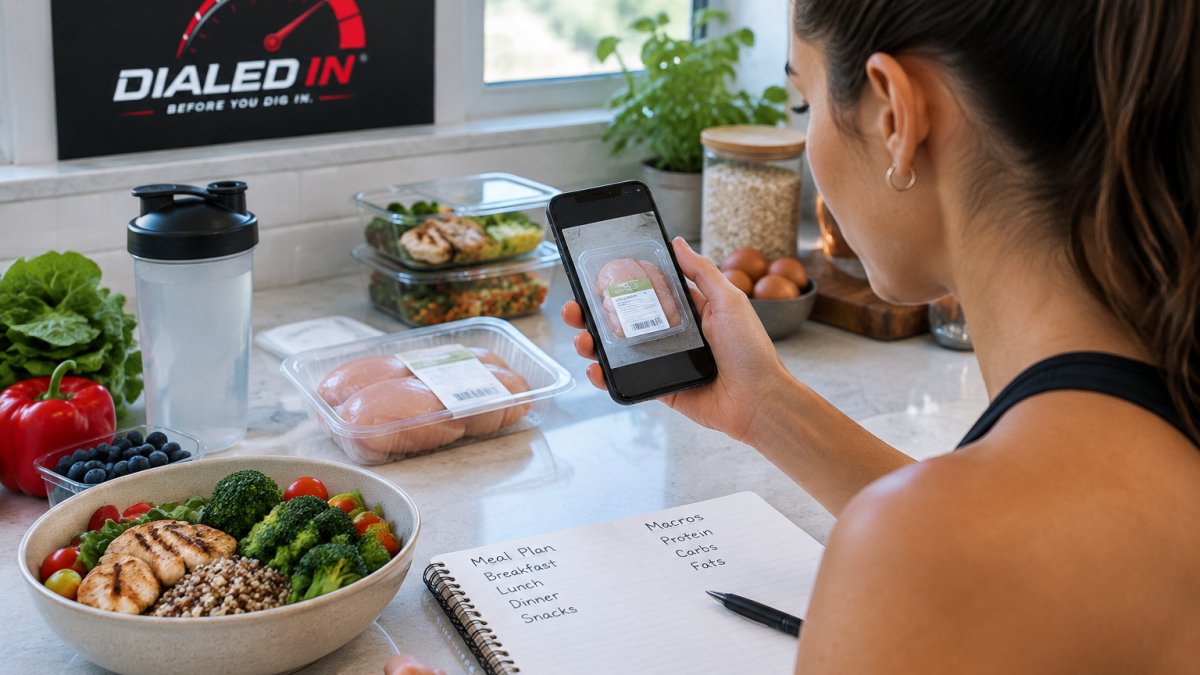
Meal prep does not have to mean cooking five meals on Sunday. For ready-to-go ideas, see High Protein Meal Prep Ideas. Try a smaller version: prep one protein and one grain on the weekend, then build quick meals on weeknights.
For example, cook a large batch of chicken and rice on Sunday. Store it in containers and combine with fresh or frozen vegetables on Tuesday and Thursday. This takes about 10 minutes per meal.
Watch out: prepping too much food you don't like often leads to skipped meals and takeout. Start with two prepped meals per week and add more only if they work.
Step 5: Decide Before You're Hungry With a Default Dinner Plan
The reason a default dinner plan works is that it moves the decision to a moment when you have more mental energy. Decision fatigue is the gradual decline in the quality of choices after many small ones in a day, and by evening the question "what should I eat?" is often the one that tips the balance toward an app. A default removes that question entirely, so the only thing left to do is execute.
A workable setup has three parts:
- Assign a default to each weeknight. Pick one meal per night, such as tacos on Tuesday, pasta on Wednesday, or a sheet pan dinner on Thursday. The rotation should be simple enough that you could cook it on autopilot even on a bad day.
- Build the shopping list from the defaults. Once the defaults are set, the grocery list writes itself each week. You stop deciding what to buy on the spur of the moment, which is another point where tired shoppers often default to convenience foods.
- Keep a backup in the freezer. Store one or two frozen meals or a batch of soup for nights when plans fall apart. A backup should need only reheating so it does not require any new decisions.
A common pattern is that the plan works for four or five nights and then breaks on the fifth. That is normal. The fix is to treat the break as information: if a default keeps getting skipped, it is either too complicated or assigned to the wrong night. Swap it for something lower effort rather than abandoning the whole system.
Watch out: writing a plan that depends on a long recipe or an ingredient you have to buy the same day creates the exact friction the plan was meant to remove, so keep defaults to dishes you can make from pantry and freezer stock.
Step 6: Use a Post-Work Transition Ritual to Break the Takeout Habit
Many people walk in the door, drop their bag, and reach for their phone. A short transition ritual gives your brain a clear signal to switch from work mode to cooking mode.
Some simple rituals:
- Change into comfortable clothes before starting dinner
- Put on a specific playlist or podcast while you cook
- Drink a glass of water before opening any food apps
- Set a timer for 10 minutes and begin with the easiest step
The ritual matters more than its details. For more everyday tracking habits that fit a hectic schedule, see Macro Tracking Tips for Busy Professionals. Doing the same small action each evening creates a habit loop that makes cooking feel automatic.
What to Eat When You're Too Tired to Cook and Still Want to Stay on Track
Some nights you will still order food, and that is fine. To compare the top options, see best fast food for high protein. The goal is not perfection but better choices when you do order.
When ordering in, pick dishes with a clear protein source, a vegetable, and a moderate portion of carbs. Grilled proteins usually beat fried ones, and broth-based soups often beat cream-based options.
Remember that one takeout meal does not undo your progress. Consistency over weeks matters far more than any single night.
Get started with Dialed In and make smarter food decisions in seconds, whether you're at a restaurant or standing in front of your fridge.
Frequently Asked Questions
How can I avoid takeout when I'm too tired to cook?
Keep a short list of meals that need under 15 minutes and almost no decisions, such as eggs with frozen vegetables and rice, or canned beans with tortillas and salsa. Stock these ingredients in advance so the meal is possible even when you have no energy to shop. Decide on the meal the night before or during the day, not when you walk in the door hungry. Pairing a default meal with a simple rule, like always having protein and a vegetable, keeps the choice fast and still aligned with your goals.
What are easy low-energy meals I can make on exhausted nights?
Good low-energy meals use one pan or no cooking at all. Examples include scrambled eggs with spinach and whole-grain toast, a rotisserie chicken bowl with bagged salad and microwave rice, or a wrap with hummus, canned tuna and shredded carrots. Choose meals where each ingredient is already prepared, such as pre-washed greens, frozen stir-fry vegetables or cooked lentils in a pouch. Keeping two or three of these on repeat removes the need to search for ideas when you are drained.
How does meal prep help with takeout cravings on busy weeknights?
Meal prep reduces takeout because a ready container removes the effort of cooking and the uncertainty of what to eat. You do not need a full Sunday session. Cooking one protein and one grain in a single batch, then portioning them with fresh or frozen vegetables, gives you two or three dinners. Store prepped items in the refrigerator for a few days and freeze the rest. Pull a container out before you leave work, and the decision is already made.
Why do I overeat or order takeout when I'm tired?
Fatigue makes it harder to plan, compare options and resist convenient choices, which is often called decision fatigue. When you are tired, the easiest option, usually delivery, wins by default. Hunger also grows when you are low on energy and sleep, so you may feel pressure to eat quickly and in large amounts. Setting a default dinner plan in advance, and eating a planned snack if you are very hungry before dinner, lowers the chance you will make a rushed decision you later regret.