 Listicle
What Are Healthy Desk Lunch Recipes for Weight Loss?
Last Updated: November 16, 2026
Quick Summary
Healthy desk lunch recipes for weight loss follow a three-part formula: protein first, fiber second, and portion control third. Build each lunch around chicken, tuna, beans, or Greek yogurt, add vegetables and whole grains, and fill half your container with vegetables, a quarter with lean protein, and a quarter with whole grains or beans.
- No-cook combos like tuna and white bean salad assemble in about ten minutes and need only a can opener and fork.
- Cook one protein, roast two vegetables, and batch one whole grain on Sunday to cover your weekday lunches.
- Budget lunches start with cheap protein like canned tuna, beans, eggs, and chicken thighs plus frozen vegetables.
- Keep perishable lunches refrigerated or in an insulated bag with a frozen gel pack to stay out of the temperature danger zone.
- Sub-200-calorie lunches work as a backup on heavy dinner days, not as a daily default.
Table of Contents
- Why Desk Lunch Recipes for Weight Loss Fail (and What Actually Works)
- Healthy Lunch Ideas for Weight Loss No Cooking Required
- Make-Ahead Lunches for Weight Loss: The Sunday Prep Workflow
- Simple Lunch Ideas for Weight Loss for Work on a Budget
- Low-Calorie Lunch Ideas Under 200 Calories
- Office Storage, Food Safety, and Microwave Rules That Protect Your Lunch
- A Realistic Weight-Loss Framework for Busy Professionals
- Building Your First Week of Desk Lunches With Dialed In
- Frequently Asked Questions
Why Desk Lunch Recipes for Weight Loss Fail (and What Actually Works)
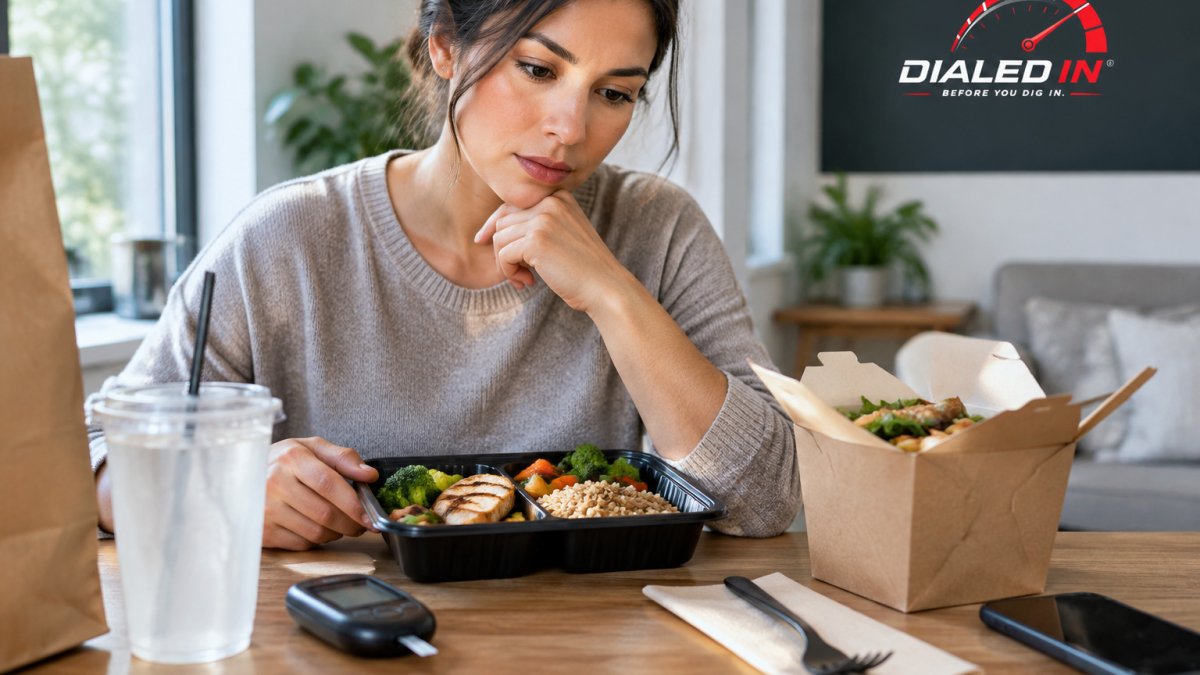
Most healthy desk lunch recipes for weight loss fail for one boring reason: they were designed for a kitchen, not a cubicle. A sad container of steamed vegetables looks fine on a food blog. By 2 p.m. at your desk, it leaves you hungry, foggy, and raiding the office candy jar.
The fix is a three-part formula. Get protein, fiber, and portion size right, and a desk lunch becomes filling and calorie-conscious without any manual tracking.
The Three-Part Formula: Protein, Fiber, and Portion
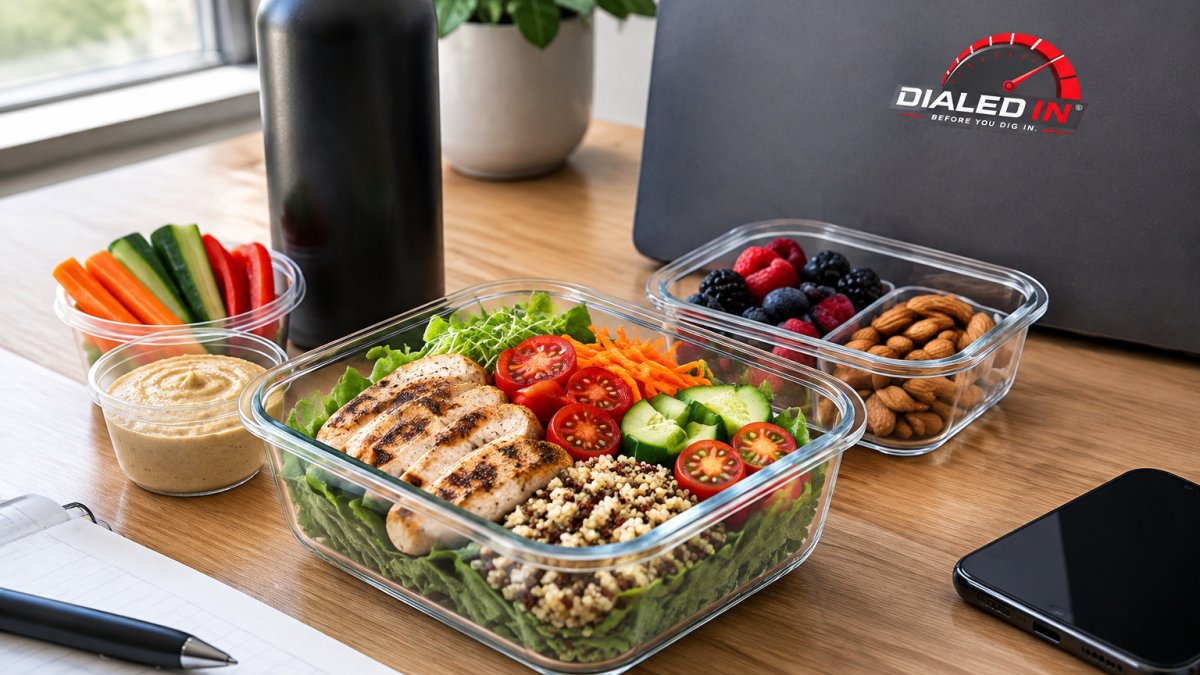
Every lunch that keeps you full until dinner hits three marks. Protein comes first: chicken, salmon, tuna, beans, or Greek yogurt, built into the meal rather than added as an afterthought. Fiber comes second: spinach, broccoli, mushrooms, and whole grains slow digestion and steady your afternoon energy. Portion comes third.
A simple visual rule can work better than a food scale for many people. If you want a ready-made shopping framework, this high protein grocery list covers 40 foods that fit the formula.
Healthy Lunch Ideas for Weight Loss No Cooking Required
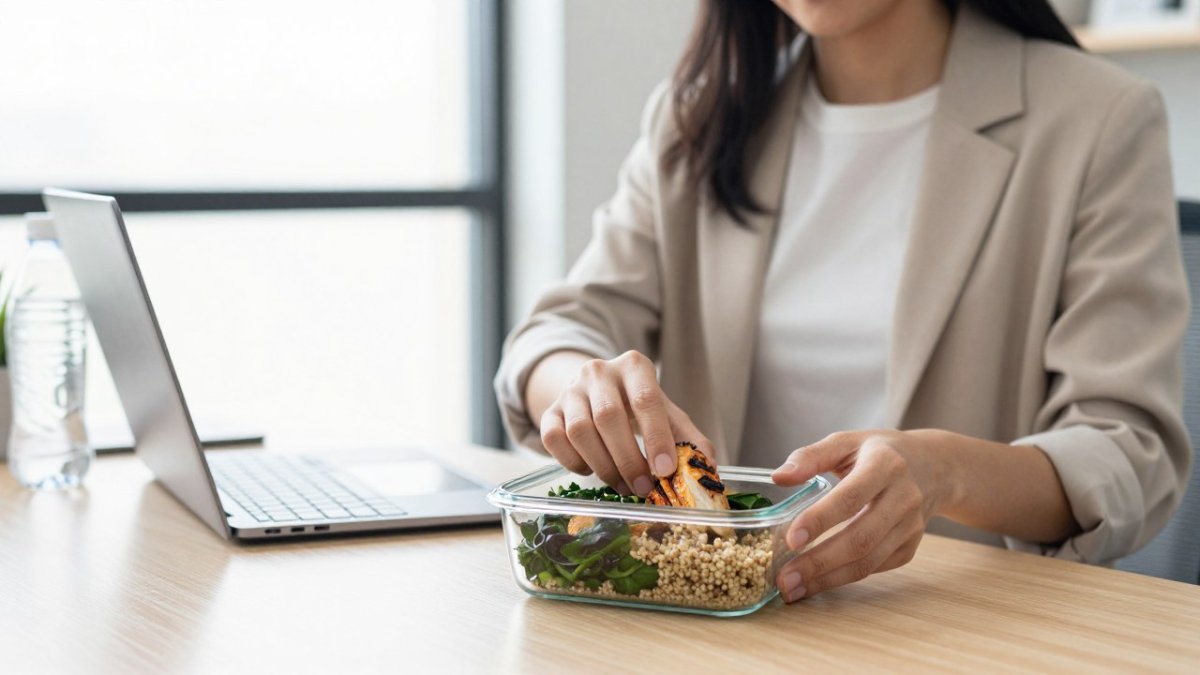
No-cook lunches are the most reliable option for desk workers, because they remove every excuse. Nothing to reheat, nothing to burn, nothing that smells like last night's fish in a shared office. A common mistake is treating no-cook as "snack plate." That approach usually lands low on protein and high on calories.
The five combos below are built for a desk, not a kitchen: each one assembles in about ten minutes, needs at most a can opener and a fork, travels safely in an insulated bag with a gel pack, and holds up in a shared fridge. Nutrition figures are approximate per single serving and will shift with brand and portion, use them to compare recipes, not as lab measurements.
Five No-Cook Combos You Can Assemble at Your Desk
- Tuna and white bean salad. One 5-oz can of tuna packed in water, drained; ½ cup rinsed canned white beans; 2 cups baby spinach; 1 tbsp olive oil; squeeze of lemon. Roughly 380 calories, 32 g protein, 9 g fiber. Pack the oil and lemon separately and dress at your desk so the spinach does not wilt. Keeps up to 3 days refrigerated.
- Greek yogurt bowl. 1 cup plain nonfat Greek yogurt; ½ cup berries; 1 tbsp unsalted sunflower seeds; 2 tbsp rolled oats. Roughly 300 calories, 25 g protein, 5 g fiber. Assemble the dry toppings in a small container and stir into the yogurt at lunch so the oats stay crunchy. Keeps 2 days refrigerated; do not leave unrefrigerated more than 2 hours.
- Turkey and hummus wrap. One whole-grain wrap (about 8 inches); 3 oz sliced deli turkey; 2 tbsp hummus; ¼ cup shredded carrots; 1 cup spinach. Roughly 350 calories, 28 g protein, 7 g fiber. Roll tightly in foil and cut at your desk to avoid a soggy wrap by noon. Best eaten the same day.
- Salmon pouch grain bowl. One 3-oz salmon pouch; one 8.8-oz pre-cooked brown rice pouch; ½ cup sliced cucumber; ¼ avocado. Roughly 430 calories, 27 g protein, 6 g fiber. The rice pouch is shelf-stable until opened, so this is the one combo that survives a morning without a fridge if you pack the avocado and cucumber in a separate chilled container. Eat within 2 hours of opening the pouch.
- Cottage cheese and chickpea bowl. ½ cup low-fat cottage cheese; ½ cup rinsed chickpeas; ½ cup cherry tomatoes; ½ cup diced cucumber; squeeze of lemon; pinch of low-sodium seasoning. Roughly 290 calories, 22 g protein, 7 g fiber. Keeps 2 days refrigerated; pack the cottage cheese on the bottom and the vegetables on top so the tomatoes do not water it down.
Each combo assembles in roughly ten minutes and travels well. Keep a small stash of olive oil, lemon juice, and low-sodium seasoning at your desk so you never depend on the office kitchen. A desk drawer kit of a can opener, a fork, a small cutting board, and a microwave cover covers almost every no-cook day.
Watch out: canned tuna and salmon pouches are the highest-risk items here for a shared office. If your workplace has a no-fish norm, swap in canned chicken or extra chickpeas, the protein and fiber numbers stay close, and you avoid the smell complaint entirely.
For a broader rotation, these high protein lunch ideas pair well with the no-cook list, and the high protein grocery list covers the pantry staples that make these five combos repeatable.
Make-Ahead Lunches for Weight Loss: The Sunday Prep Workflow
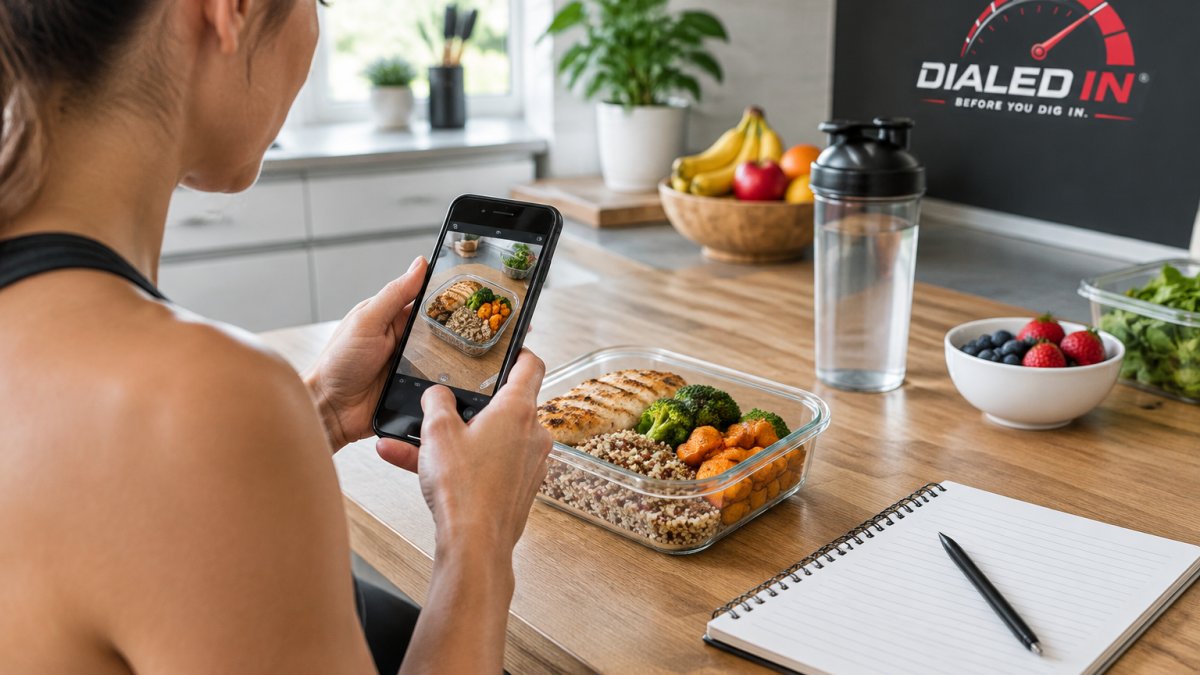
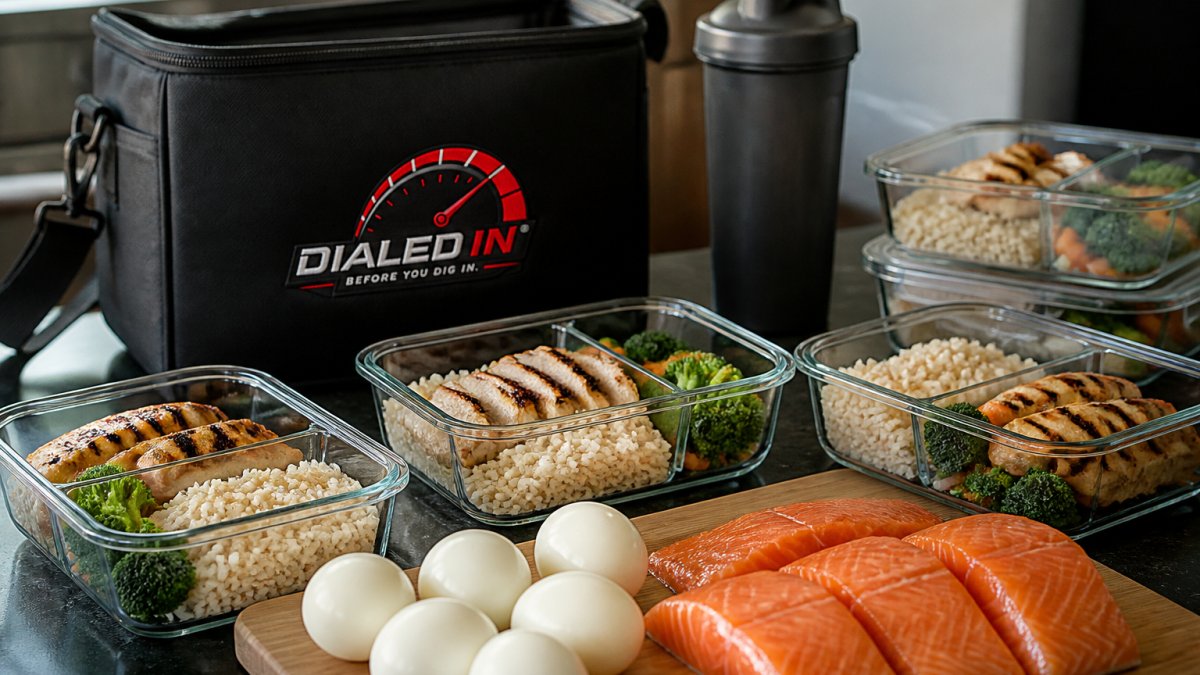
Make-ahead lunches for weight loss work best as a single batch session, not five separate recipes. The Sunday prep workflow: cook one protein, roast two vegetables, batch one whole grain, and portion everything into containers. That is roughly an hour of work that covers your weekday meals.
A common mistake is prepping five different meals. That burns your whole Sunday and half of it goes bad by Thursday. Batch cooking the same components lets you mix and match: chicken and rice on Monday, the same chicken over spinach on Tuesday, the rice folded into a soup on Wednesday. Want a ready-made shopping plan? This 7-day weight loss grocery list maps the whole week.
Simple Lunch Ideas for Weight Loss for Work on a Budget
Simple lunch ideas for weight loss for work on a budget start with cheap protein and frozen vegetables. Canned tuna, canned beans, eggs, chicken thighs, and plain Greek yogurt deliver the most protein per dollar.
A simple approach is to build lunches around one cheap protein plus one frozen vegetable plus a whole grain. For more strategies, these healthy groceries on a budget tips cover how to keep the whole week affordable.
Low-Calorie Lunch Ideas Under 200 Calories
Low-calorie lunch ideas under 200 calories work as a snack-style lunch or a light option on a heavy dinner day.
The table below gives approximate calories, protein, and fiber per single serving so you can compare recipes honestly.
| Lunch idea | Approx. calories | Protein | Fiber | Serving size | Reheat? |
|---|---|---|---|---|---|
| Broth-based vegetable soup with shredded chicken | Under 200 | 18 g | 4 g | 2 cups | Yes, microwave 2 min, stir |
| Large spinach salad with tuna and lemon | Under 200 | 22 g | 5 g | 3 cups greens + 3 oz tuna | No, eat cold |
| Cucumber and cottage cheese plate | Under 200 | 16 g | 2 g | ½ cup cottage cheese + 1 cup cucumber | No, eat cold |
| Egg drop soup with spinach | Under 200 | 12 g | 2 g | 2 cups | Yes, microwave 90 sec |
| Tomato and white bean soup | Under 200 | 10 g | 8 g | 2 cups | Yes, microwave 2 min, stir |
Fiber
A few practical notes that make these work at a desk:
- Protein matters more than calories at this level. The tuna salad and the chicken soup clear 18 g of protein, which is the difference between a lunch that holds and one that does not. The tomato and white bean soup is the lowest-protein option here; pair it with a hard-boiled egg or a half cup of cottage cheese if you are using it as a real meal.
- Fiber is the second lever. The white bean soup and the spinach salad deliver the most fiber, which slows digestion and steadies afternoon energy.
- Reheat rules matter in a shared office. The three soups reheat well and travel safely in a thermos; the salad and cottage cheese plate should stay cold in an insulated bag with a gel pack and be eaten within 2 hours of leaving the fridge.
These work best as part of a calorie-conscious day, not as a standalone strategy. If you want to understand the math behind a low-calorie target, this guide on how to calculate a calorie deficit explains the numbers.
Watch out: stacking multiple sub-200 lunches in a row is a common pattern that backfires. Use these as a tool, not a default.
Office Storage, Food Safety, and Microwave Rules That Protect Your Lunch
Office storage and food safety are where desk lunches quietly go wrong. Keep perishable lunches refrigerated and out of the temperature danger zone, following USDA Food Safety and Inspection Service guidance. A lunch that sits in a warm bag from 8 a.m. to noon is a lunch you should throw out.
Practical rules that protect your lunch:
- Use an insulated bag with a frozen gel pack if you have no fridge access.
- Label containers with your name and the date.
- Reheat to steaming, and stir before eating so heat is even.
Watch out: reheating fish or strong-smelling food in a shared office microwave is the fastest way to lose goodwill with coworkers. Save those meals for home days.
A Realistic Weight-Loss Framework for Busy Professionals
A realistic weight-loss framework assumes you will have bad days, skip prep, and eat out. Rigid plans collapse on the first busy Tuesday. The professionals who succeed build in flexibility: a backup no-cook lunch, a default restaurant order, and a way to make a smart call when the plan breaks.
Dialed In is a real-time AI food decision coach: point your camera at a menu, a fridge, or a pantry shelf, and it gives personalized recommendations based on your goal, whether that is losing fat, building muscle, or maintaining weight. These strategies for skipping takeout when you are too tired to cook pair well with it.
Building Your First Week of Desk Lunches With Dialed In
Start with one batch session, five containers, and one backup no-cook combo. Build the week around the formula: protein, fiber, portion. Then let the app handle the decisions your plan cannot cover, like the restaurant lunch with a client or the fridge that only has odds and ends.
Dialed In is a real-time AI food decision coach: it analyzes any menu, meal, or refrigerator item and gives personalized recommendations for your specific goal. No calorie counting, no spreadsheets, no manual logging.
The challenge is not knowing what a healthy lunch looks like. It is making the right call on a Tuesday when you are tired and the office kitchen is empty.
Frequently Asked Questions
What are healthy desk lunches for weight loss?
A healthy desk lunch balances lean protein, fiber-rich vegetables, and a measured portion of whole grains or legumes so you stay full through the afternoon. Aim for roughly 25 to 35 grams of protein and 8 or more grams of fiber per lunch. Good desk lunch recipes for weight loss include grain bowls, protein salads, soups, and wraps that hold up in a refrigerator for several days.
What can I eat for lunch at work to lose weight?
Build lunch around a lean protein like chicken, tuna, salmon, or beans, add at least two cups of vegetables, and keep the grain portion to about half a cup. Salads with grilled chicken, grain bowls with roasted vegetables, and broth-based soups all work well. Portion size matters more than the specific recipe, so pack in a container that matches your target, not in a large takeout box.
What are easy no-cook lunches for weight loss?
No-cook options include Greek yogurt with berries and unsalted seeds, tuna or chickpea salad with spinach, pre-cooked rotisserie chicken with bagged salad and hummus, and whole-grain wraps with deli turkey and vegetables. Keep shelf-stable items like canned beans, tuna pouches, and unsalted nuts at your desk so you can assemble a filling lunch in under 10 minutes without a microwave.
How do I meal prep healthy lunches for the workweek?
Cook one protein and one grain in bulk on Sunday, roast a sheet pan of vegetables, and portion everything into five containers. Store dressings and sauces separately so nothing gets soggy. Keep chopped raw vegetables and washed greens in separate containers for salads you assemble the morning of. Label each container with the day so you eat the most perishable meals first.
How can I make a filling lunch that supports weight loss?
Fiber and protein drive satiety, so combine both at every lunch. A salad with grilled chicken and chickpeas, a lentil soup with a side of whole-grain bread, or a grain bowl with salmon and broccoli all deliver that combination. Avoid lunches built mostly on refined carbs, which tend to leave you hungry within two hours and reaching for snacks.