 Listicle
Are Takeout Meals Safe for People With Diabetes?
Last Updated: November 12, 2026
Quick Summary
Takeout can fit a diabetes plan when the order is built carefully around grilled or steamed lean protein, non-starchy vegetables, and a controlled portion of starch and sauce. Portions, sauces, and cooking methods are rarely visible, so takeout diabetes planning depends on reviewing the menu in advance and making deliberate swaps.
- Build each order around lean protein, non-starchy vegetables, and a controlled starch portion.
- Request sauces and dressings on the side so you control the amount.
- Swap fries, white rice, or bread for a vegetable side or side salad.
- Choose grilled, baked, or steamed proteins over fried or breaded options.
- Split large entrees or save half for later to reduce carbohydrate intake.
Table of Contents
- Why Takeout Is Hard to Manage With Diabetes
- Diabetes-Friendly Takeout Dinner Ideas by Cuisine
- Diabetes-Friendly Fast-Food Lunch Choices
- How to Order Takeout With Diabetes
- Diabetes-Friendly Meal Delivery as a Backup Plan
- Comparing Common Takeout Options at a Glance
- Building Your Next Takeout Order With Confidence
- Frequently Asked Questions
Why Takeout Is Hard to Manage With Diabetes
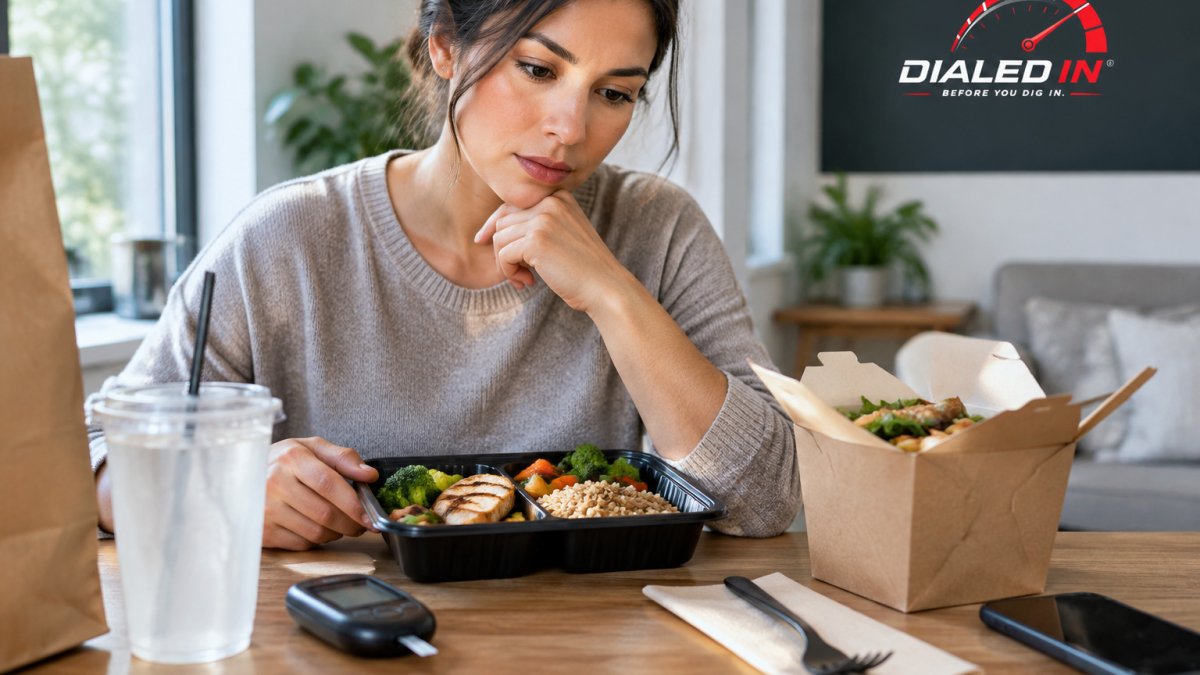
Takeout is one of the hardest food environments to manage with diabetes, mainly because portions, sauces, and cooking methods are rarely visible, and takeout diabetes planning depends on guessing what's in the box. Dialed In, a real-time AI food decision coach, is built around this problem: it analyzes menus and food in front of you so you can choose a meal that fits your goals. Most restaurant dishes also carry more carbohydrates and added fat than people expect, which makes guessing unreliable.
The core issue is that restaurant meals are built for flavor and volume, not blood sugar control. Breaded coatings, sweet sauces, and large starch portions can all add up quickly. A plate that looks balanced can still carry a heavy carbohydrate load once the sides and sauces are counted.
Watch out: a salad is not automatically a safe choice. Creamy dressings, fried toppings, and candied nuts can add more fat and sugar than the main dish it replaces.
Diabetes-Friendly Takeout Dinner Ideas by Cuisine
Many cuisines offer dinner options that fit a diabetes-friendly plan when the order is built carefully. Grilled, baked, steamed, or broiled proteins are usually the strongest starting point, paired with non-starchy vegetables. Dishes built around these methods tend to be easier to portion than fried or heavily sauced alternatives. Restaurant portions vary widely, so check the nutrition information the restaurant publishes and your care plan before ordering.
Mediterranean. Grilled chicken or fish with a Greek salad and a small portion of hummus is a reliable build. Ask for olive oil and vinegar on the side instead of creamy dressings, and treat pita as a starch portion rather than a free side.
Mexican. Grilled chicken, steak, or carnitas with beans, salsa, and a side salad can work, but tortilla chips, rice, and flour tortillas add carbohydrates quickly. Request corn tortillas over flour, skip the chip basket, and choose salsa or pico over queso.
Chinese and other Asian takeout. Steamed or stir-fried dishes with lean protein and broccoli are the strongest picks, but sweet glazes and sugary sauces should be requested on the side or skipped. Ask for steamed rather than fried rice, and request no added sugar in marinades.
Japanese. Sashimi, grilled salmon, and edamame are low-carbohydrate anchors. Choose sashimi or naruto-style rolls over tempura and sugary rolls, and use low-sodium soy sauce sparingly.
Indian. Tandoori chicken, grilled kebabs, and lentil dal are useful choices. Skip naan or take a half-piece, choose tomato-based curries over cream-based ones, and ask for raita on the side.
Vietnamese. Grilled pork or chicken over rice noodles (bun) or a pho bowl can be adapted. Request extra vegetables, go light on hoisin and sweet chili sauce, and choose broth-based pho over fried rice dishes.
Middle Eastern. Grilled chicken or lamb shawarma with salad, hummus, and a half-portion of rice is a practical build. Choose the plate over the wrap, ask for garlic sauce on the side, and favor tabbouleh and fattoush over creamy dips in large amounts.
The same portion logic applies across cuisines: the starch and the sauce are usually where the carbohydrate load hides, so decide those two first and build the rest of the order around lean protein and vegetables.
Diabetes-Friendly Fast-Food Lunch Choices
Fast food is convenient, but its menus are built around fried and breaded items.
Grilled chicken sandwiches without sauce or with the sauce on the side, a side salad with the dressing separated, or a plain grilled protein with a vegetable side are common lunch choices. Compare ranked high-protein fast-food picks to see which options are strongest for protein and blood sugar. Skipping the fries in favor of apple slices or a side salad removes a large carbohydrate source in one step.
How to Order Takeout With Diabetes
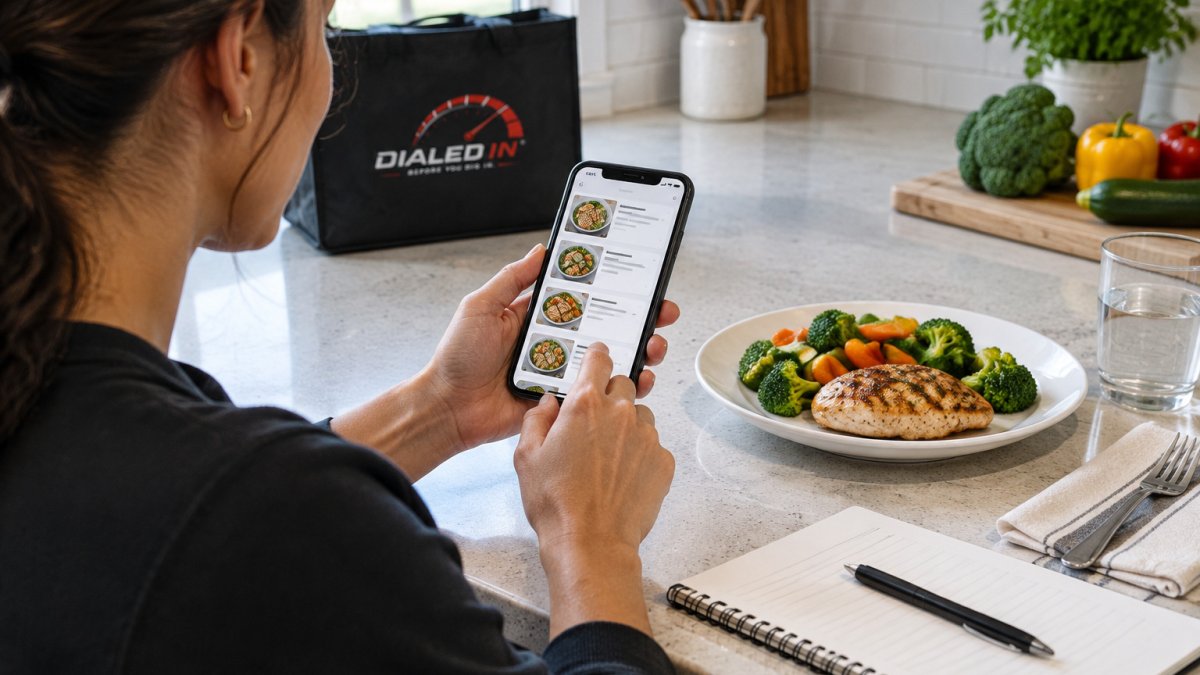
Ordering with diabetes is easier when the decision is made before the food arrives, since careful takeout diabetes choices start with a menu review done in advance. Review the menu in advance, choose a protein and a vegetable, and decide what to do with starches and sauces. Find an app that reads restaurant menus and shows nutrition before you order.
Swapping Sides, Sauces, and Portions
Side swaps often make the biggest difference. Replace fries, white rice, or bread with a vegetable side, a side salad, or a smaller starch portion. Request sauces and dressings on the side so the amount can be controlled.
Portion control matters as much as ingredient choice. Splitting a large entree, saving half for later, or choosing a kids' or smaller portion can reduce carbohydrate intake without giving up the meal.
Ordering Through Delivery Apps
Delivery apps often let customers add notes or customize items. Use these fields to request grilled instead of fried, sauce on the side, or no added sugar in marinades. Some restaurants will accommodate these requests, while others will not, so confirming with the restaurant when possible helps.
Diabetes-Friendly Meal Delivery as a Backup Plan
When takeout options are limited, prepared-meal delivery can serve as a backup. Read practical guidance on eating well for weight and blood sugar goals. Costs for prepared-meal delivery vary by plan, quantity, and delivery area, so check current pricing directly with each provider.
Comparing Common Takeout Options at a Glance
| Meal Type | Better Choices | Watch For | Nutrition Focus |
|---|---|---|---|
| Grilled protein plate | Grilled chicken or fish with vegetables | Sweet glazes, large rice portions | Lean protein, fiber |
| Fast-food lunch | Grilled chicken salad, side salad | Fries, breaded items, creamy dressings | Lower fat, fewer carbs |
| Pizza | Thin crust, vegetable toppings, light cheese | Thick crust, extra meats | Carb portion control |
| Pasta | Smaller portion, tomato-based sauce | Cream sauces, large portions | Carb portion control |
| Asian stir-fry | Steamed or stir-fried protein with broccoli | Sugary glazes, fried rice | Sauce control, vegetable load |
Building Your Next Takeout Order With Confidence
A reliable takeout order has three parts: a lean protein, a non-starchy vegetable, and a controlled portion of starch or sauce. Build the order around those three parts before reading the rest of the menu.
Start with the lean protein, add vegetables, then decide how much starch and sauce fits your plan. Track restaurant meals without manual logging to check the total before you place the order.
Ready to make takeout decisions with less guesswork? Dialed In analyzes menus in real time and points you toward meals that fit your goals. Claim Your Founder Spot
Frequently Asked Questions
What is the best takeaway food for a diabetic?
Grilled or baked lean proteins paired with non-starchy vegetables are usually the strongest choice. Grilled chicken salads with dressing on the side, grilled fish entrees, and vegetable-heavy bowls with a modest portion of brown rice tend to fit well. Avoid fried, breaded, and creamy dishes where possible. The American Diabetes Association recommends choosing grilled, steamed, or low-fat preparations and salads over crispy or fried items when eating fast food. Individual carbohydrate targets vary, so confirm portions with your care team.
What is the healthiest fast-food restaurant for a person with diabetes?
No single chain is best for everyone, because the healthiest option depends on what you order. Restaurants with grilled chicken, salads, and customizable bowls give you the most control over protein, vegetables, and portion size. Check the nutrition information the chain publishes, then compare carbohydrate counts per item. Many fast-food lunch choices work well when you skip the fries, choose a salad or side of vegetables, and keep sauces on the side.
How can people with diabetes manage portions when eating out?
Start by asking for a half portion of starch or setting half the plate aside before you eat. Swap fries for a side salad or steamed vegetables, and ask for sauces and dressings on the side so you can control added sugar and fat. Eating slowly and stopping when you feel satisfied also helps. Pairing carbohydrates with protein and fiber can slow how quickly blood glucose rises after the meal.
Can people with diabetes eat fast food?
Yes, many people with diabetes eat fast food occasionally without major problems, as long as they plan around carbohydrates, sodium, and fried foods. Look for grilled proteins, vegetable sides, and smaller portions, and avoid sugary drinks. Frequent fast food is harder to fit into a diabetes meal plan, so treat it as an occasional option rather than a daily habit. Your doctor or dietitian can help you set limits that match your medications and blood glucose goals.